In the rapidly evolving world of electric vehicles and automation, choosing the right Motor Controller is crucial for optimal performance. Industry expert Dr. Jenna Liu, a leading authority in electric drive systems, states, “Selecting the right Motor Controller can redefine efficiency in modern applications.” This sentiment emphasizes the importance of understanding various options in the market, particularly as we approach 2026.
Motor Controllers play a vital role in converting input signals to control electric motors. With advancements in technology, buyers now face numerous choices, which can be overwhelming. Many buyers make decisions based solely on cost. However, such choices may lead to inefficiencies. It’s essential to evaluate key factors such as compatibility, reliability, and the intended application of the Motor Controller.
While exploring the best options for 2026, remember that not all features will benefit every project. Each design has its own strengths and weaknesses. A deep understanding of specifications will help buyers navigate through the complexities. Embracing this knowledge can ensure that one selects the most suitable Motor Controller, maximizing both performance and satisfaction.
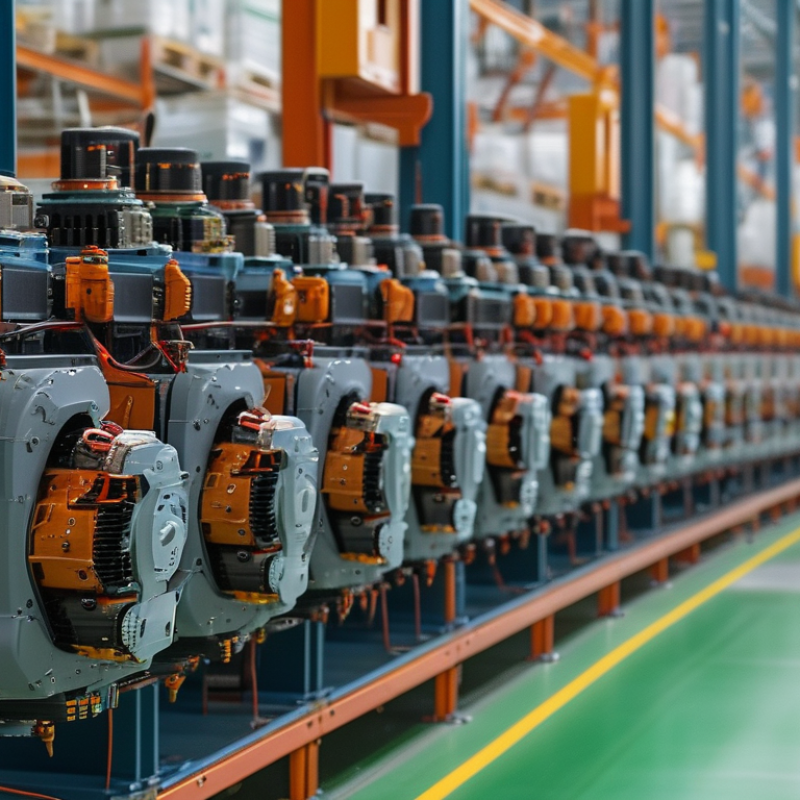
The motor controller market is evolving rapidly in 2026. New trends showcase advancements in efficiency and compact designs. Energy-saving technologies are becoming standard. These innovations cater to a range of applications, including industrial machinery and electric vehicles. As sustainability becomes a priority, manufacturers are focusing on eco-friendly solutions.
Moreover, the integration of smart features is also on the rise. Controllers equipped with IoT capabilities are gaining popularity. They allow for remote monitoring and predictive maintenance. However, companies face challenges in ensuring data security. Not all users are confident about these technologies.
Adapting to these changes requires expertise and ongoing learning. Buyers should assess their needs carefully before investing. The market's dynamism means that what works now may not be relevant in the near future. Staying informed is crucial for making effective purchases.
When selecting a motor controller, several key features significantly influence performance and user experience. One of the most critical aspects is the control method. Options such as Pulse Width Modulation (PWM) or direct voltage control can impact efficiency and responsiveness. Ensure you understand how each method affects your application. This can lead to variations in power consumption and heat generation.
Another significant feature is compatibility with different motor types. Not all controllers work equally well with brushed or brushless motors. Knowledge of these compatibilities helps avoid frustration during installation. It’s essential to assess the current rating as well. Insufficient current capacity may lead to underperformance or damage.
Feedback mechanisms are also an important consideration. Controllers with advanced feedback systems offer better performance. These can adapt to load changes in real-time, enhancing reliability. Evaluating the ease of programming and integration with existing systems is equally important. Sometimes, the best options may not have the most advanced features. Reflecting on personal needs is crucial, as no one solution fits all.
| Motor Controller Type | Voltage Range (V) | Current Rating (A) | Communication Protocol | Efficiency (%) | Key Features |
|---|---|---|---|---|---|
| PWM Motor Controller | 12 - 48 | 25 | CAN, UART | 95 | Compact size, High efficiency |
| Brushless DC Controller | 24 - 72 | 30 | I2C, SPI | 97 | High performance, Advanced control algorithms |
| AC Motor Controller | 100 - 240 | 50 | Ethernet, Modbus | 90 | Robust design, Versatile applications |
| Stepper Motor Driver | 5 - 24 | 2 | TTL, RS485 | 85 | Micro-stepping capability, Low cost |
The motor controller market in 2026 is expected to showcase a diverse range of brands. Each brand will offer unique features and capabilities. Understanding their market share will help buyers make informed decisions. Many consumers seek controllers that ensure efficiency and durability. Factors like responsiveness and ease of integration into existing systems are crucial.
Market analysis reveals shifting trends in user preferences. Eco-friendly designs and advanced control algorithms are gaining traction. Emerging brands are challenging established players with innovative solutions. These newer options may lack historical data, but their promise is appealing. Buyers need to balance innovation and reliability when choosing a motor controller.
Several brands will dominate the market share, but not all will meet user expectations. Price points will vary widely, reflecting quality and technology. Some high-performance options may exceed budgets. Users must assess their specific needs carefully. Consideration of long-term support and updates is vital for future-proofing investments in motor controllers.
The integration of Artificial Intelligence (AI) and the Internet of Things (IoT) in motor control is revolutionizing industries globally. According to a recent report by MarketsandMarkets, the global AI in the IoT market is projected to grow from $6.8 billion in 2021 to $24.9 billion by 2026. This rapid growth indicates a strong move towards smarter, more connected motor control systems.
Emerging technologies provide new opportunities for efficiency. For instance, AI algorithms can predict maintenance needs, reducing unexpected downtime. IoT connectivity allows real-time monitoring of motor performance, leading to quicker adjustments and optimization. However, there are challenges. The integration of these technologies often requires significant investment and expertise. Many companies struggle to keep pace with the rapid technological changes and may risk falling behind their competitors.
Tip: Start by leveraging existing data to identify areas where AI and IoT can enhance your motor systems. Invest in training your team to better understand these technologies. Additionally, consider pilot projects to test new solutions before full-scale implementation. This approach can mitigate risks and lead to informed decisions.
When considering motor controllers for global markets, cost plays a pivotal role. A recent analysis by industry experts shows that the average price of motor controllers varies significantly. Basic models can range from $50 to $200, while advanced versions can soar above $1,000. Buyers need to evaluate not only the upfront costs but also long-term operational efficiencies. For instance, energy-efficient controllers can reduce electricity costs by up to 30%, providing significant savings over time.
Tips: Always prioritize energy efficiency. Look for controllers that offer energy-saving features. They might cost slightly more upfront but can yield substantial savings.
Another important aspect is the scalability of motor controllers. Different applications may require different specifications, affecting costs. Some controllers provide programmable options, which can adjust to various needs. Reports indicate that 65% of manufacturers prefer customizable solutions. However, these options can stretch budgets. Reliability is key, so investing in a quality product may be more cost-effective in the long run.
Tips: Compare multiple options before purchasing. Utilize online resources and forums for insights. Peer reviews can guide you to reliable choices.
: Buyers should focus on efficiency, durability, responsiveness, and easy integration into existing systems.
AI can predict maintenance needs, reducing unexpected downtime and improving overall efficiency in motor performance.
IoT allows real-time monitoring, enabling quicker adjustments and optimization of motor performance for better results.
Consider both upfront costs and long-term operational efficiencies, as energy-efficient controllers can save electricity costs.
Basic models can range from $50 to $200, while advanced versions may exceed $1,000 based on features and capabilities.
Energy-efficient models can cut electricity costs by up to 30%, offering significant savings over time despite higher initial prices.
Significant investment and expertise are required, and many companies may struggle to keep pace with rapid technological changes.
Comparing multiple options, utilizing online resources, and reading peer reviews can help guide buyers to informed choices.
Customizable solutions are preferred for their scalability, but they may stretch budgets. Reliability should always be prioritized.
Yes, pilot projects help mitigate risks and allow for better understanding before full-scale implementation.
The article "2026 Best Motor Controller Options for Global Buyers" provides a comprehensive overview of the evolving landscape of motor controller technologies. It highlights key trends shaping the market, including the integration of advanced features that enhance performance and efficiency. Buyers are encouraged to consider essential characteristics when selecting a motor controller, such as compatibility, control precision, and energy efficiency.
Additionally, the article delves into the increasing influence of emerging technologies like Artificial Intelligence (AI) and the Internet of Things (IoT) in motor control applications, showcasing how these innovations are redefining operational capabilities. A cost analysis section assists global buyers in evaluating budget-friendly options without compromising quality. Overall, the article serves as a valuable guide for anyone looking to navigate the diverse choices available in the 2026 motor controller market.

Divistechs Gear Motor