2026 Best Auxiliary Gear Suppliers for Global Buyers?

Time:2026-10-02 Author:Henry
0%

Choosing the 2026 best Auxiliary Gear suppliers requires more than comparing online prices. Global buyers need evidence of consistent manufacturing, dependable communication, and responsible after-sales support. This guide examines suppliers through practical purchasing criteria, including product quality, engineering capability, certifications, delivery performance, and international service coverage.

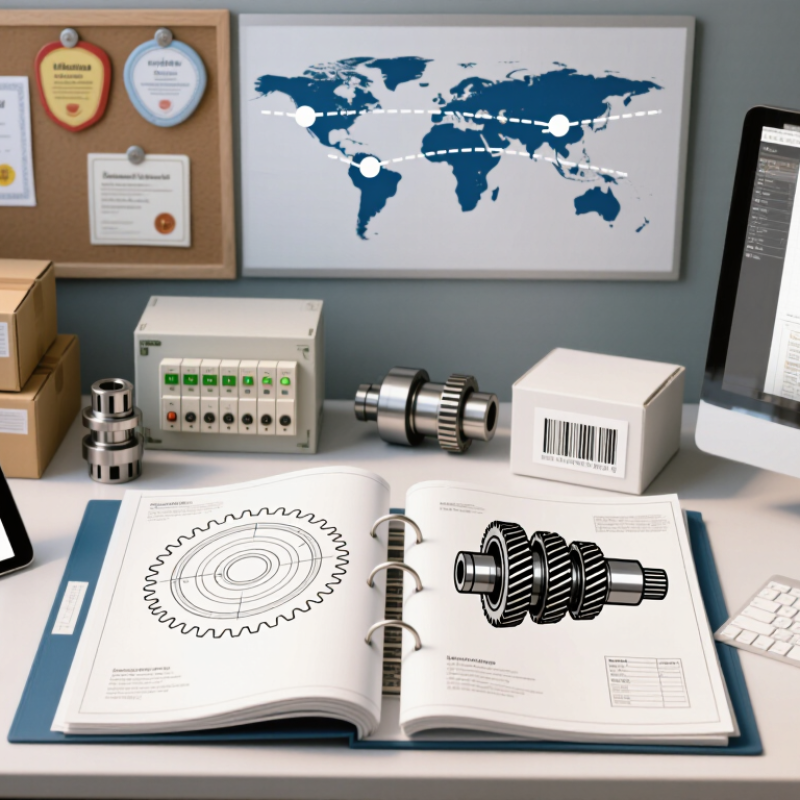
A credible supplier should explain materials, tolerances, testing methods, and replacement procedures clearly. Factory audits, traceable inspection records, and independently verified certificates can reveal more than polished marketing pages. Buyers should also request samples, technical drawings, warranty terms, and realistic production schedules before signing contracts. Small details matter. A clearly labeled gearbox, reinforced coupling, or sealed control cabinet may prevent expensive downtime later.

The evaluation also considers customization, packaging, spare-part availability, and compliance with destination-market requirements. Experienced suppliers usually identify installation risks early and provide usable documentation for technicians. However, no ranking is perfect. A supplier with excellent factory capacity may still struggle with time-zone communication or smaller orders. Buyers should test responsiveness before committing. Regional service partners can help, but their qualifications need separate verification.

This overview is designed for procurement managers, distributors, and engineering teams seeking reliable long-term partnerships. It does not treat the lowest quotation as the best value. Instead, it weighs total ownership costs, technical support, delivery reliability, and measurable supplier experience. Conditions change quickly in 2026, so every buyer should confirm current certificates, capacity, pricing, and applicable standards directly with each supplier. Good decisions require evidence, not assumptions.
2026 Best Auxiliary Gear Suppliers for Global Buyers?

What Is Auxiliary Gear and Why Does It Matter to Global Buyers?

2026 Best Auxiliary Gear Suppliers for Global Buyers

Auxiliary gear includes the supporting parts that help primary equipment run safely and consistently. Examples include couplings, guards, sensors, mounting systems, control units, and replacement assemblies. These items may look secondary, but one poorly matched component can stop an entire production line. Global buyers should check load ratings, connection sizes, operating temperatures, and material quality before comparing prices. A reliable supplier provides clear drawings, inspection records, packaging details, and responsive technical support.

Small details matter.

Tips: Ask for compatibility data, sample inspection reports, and realistic delivery dates. Confirm whether the supplier can support local voltage, language, documentation, and installation conditions. Check how parts are protected inside the crate. Moisture, vibration, and careless stacking can damage equipment before it reaches your warehouse.

Supplier evaluation should also include practical experience. Review completed projects in similar industries, not only polished catalog claims. Request evidence of quality control, traceability, and spare-part availability. A supplier may offer excellent engineering but weak communication after shipment. That risk deserves attention. No checklist is perfect. I have seen buyers approve attractive specifications, then discover unclear maintenance instructions or missing fasteners. A careful pre-shipment review can prevent that expensive surprise. The best supplier is not always the cheapest. It is the one that delivers suitable gear, dependable records, and useful support across the equipment’s working life.

Which Auxiliary Gear Categories Will Grow in 2026?

In 2026, auxiliary gear demand will grow around warehouse automation, material handling, and safer workplace design. Demand is shifting. Buyers increasingly need adjustable racks, modular conveyors, machine guards, lifting attachments, and ergonomic workstations. These products support faster operations without replacing entire production systems.

Connected auxiliary gear will also attract more investment. Wireless sensors can monitor vibration, temperature, load levels, and maintenance intervals. Simple dashboards help managers identify worn rollers, loose fittings, or overloaded platforms earlier. However, connectivity alone is not valuable. Fit matters. Equipment should offer documented compatibility, clear data ownership, and reliable operation in dusty or humid environments.

Sustainable support equipment may expand as energy costs remain a procurement concern. Reusable transport frames, repairable storage modules, low-energy dock equipment, and recyclable protective materials can reduce waste. In practical sourcing reviews, detailed load ratings and test records often matter more than attractive product claims. Buyers should verify dimensions, spare-part access, installation training, and regional service capacity before ordering. Small omissions become expensive later. My own view is cautious: not every “smart” accessory improves productivity, and some forecasts overlook operator habits. A durable manual tool may still outperform a connected device when maintenance resources are limited.

How to Identify Reliable Auxiliary Gear Suppliers Worldwide

Reliable auxiliary gear suppliers are identified through evidence, not attractive catalogs. Begin with the application: load, speed, duty cycle, environment, interface, and maintenance limits. Ask for drawings, tolerance ranges, material grades, inspection plans, and test records. A supplier that answers with measurable limits shows engineering maturity. Vague claims deserve a pause.

The ISO Survey 2023 reported more than 1.2 million valid ISO 9001 certificates worldwide. However, certification alone cannot prove product quality. Check the certificate scope, issuing body, expiry date, and manufacturing site. Request batch traceability and samples from normal production, not specially prepared pieces. During a pilot order, compare dimensions, noise, packaging, documentation, and defect response. Small details matter. One missed tolerance can disrupt an entire assembly.

The World Bank’s 2023 Logistics Performance Index evaluates customs, infrastructure, international shipments, logistics competence, tracking, and timeliness. Use these dimensions when comparing overseas suppliers. Ask for on-time delivery records, export documents, packaging specifications, and a clear escalation process. A remote factory audit can reveal useful facts, including housekeeping and inspection flow, but it may miss hidden subcontracting. That weakness needs attention. I would also request two independent customer references in similar industries. Fast replies are helpful, but they are not proof of reliable production. Forecast capacity, spare-part support, and communication after payment deserve equal scrutiny.

2026 Best Auxiliary Gear Suppliers for Global Buyers

How to Identify Reliable Auxiliary Gear Suppliers Worldwide

This practical 100-point screening model prioritizes quality, delivery, technical capability, cost, business continuity, and sustainability. Buyers should verify each area with documented evidence such as quality certifications, inspection records, production capacity, lead-time history, traceability documents, and continuity plans. The weighting is a procurement framework rather than market-share data.

What Quality, Compliance, and Service Standards Should Buyers Check?

2026 Best Auxiliary Gear Suppliers for Global Buyers?

When evaluating auxiliary gear suppliers, buyers should inspect evidence, not polished promises. Request material certificates, dimensional reports, batch records, and recent load-test results. A reliable supplier can connect each shipment to a production date and inspection record. Ask how defects are isolated before dispatch. Small details matter, such as clear labels, sealed packaging, and readable installation instructions.

Compliance requires more than a familiar certificate. Confirm which technical standards apply in the destination market, then verify the certificate’s scope, issuer, and validity. Check product markings, safety warnings, electrical ratings, and environmental claims against test reports. For outdoor equipment, review corrosion testing and ingress protection data. For lifting or support components, request documented safety factors and independent inspection where appropriate. Do not accept copied documents.

Service quality becomes visible after the purchase. Measure quotation speed, engineering response time, spare-parts availability, and warranty handling. A practical supplier should provide drawings in usable formats, multilingual manuals, and a named technical contact. Sample units should arrive with the same labeling and finish as production units. They often do not. That gap deserves attention.

I have found factory visits useful, but one visit cannot prove consistent quality. Compare several production batches and question unusual answers. A supplier that admits a limitation may be safer than one promising everything. Keep approval records, corrective-action notes, and agreed inspection points before signing. Reliable sourcing is not effortless; it depends on repeated verification.

How to Compare Prices, Lead Times, and Total Supplier Value?

2026 Best Auxiliary Gear Suppliers for Global Buyers?

Comparing suppliers requires more than reading the lowest unit price. Request matching specifications, materials, packaging, testing, and delivery terms. A quote should show tooling, inspection fees, spare parts, and freight assumptions. Otherwise, the cheapest offer may become expensive after production begins. Ask for a sample invoice and a clear cost breakdown. Experienced suppliers usually explain these details without avoiding difficult questions.

Lead time deserves the same attention. Separate engineering, sampling, production, inspection, and shipping dates. Ask which steps depend on customer approval. A supplier promising twelve days may exclude testing or port delays. Check recent production records, quality certificates, and realistic capacity evidence. Total supplier value also includes defect rates, communication speed, payment flexibility, documentation, and after-sales support. This method is not perfect. Forecasts can change, and even careful buyers sometimes trust optimistic schedules too quickly.

Tips: Compare at least three complete quotations, not three unit prices. Use one written specification for every supplier. Score price, lead time, quality, and support separately. Keep a small reserve for freight changes and rework. A slightly higher quote may be wiser when it reduces delays and repeated inspections.

FAQS

What evidence should a reliable auxiliary gear supplier provide?

Request drawings, tolerance ranges, material grades, inspection plans, and recent test records. Measurable limits matter. Vague promises deserve caution.

Does a quality certification prove product reliability?

No. Certification alone is not enough. Check its scope, issuer, expiry date, and manufacturing site. Request batch records and samples from normal production. A certificate can hide gaps.

How can buyers test a supplier during a pilot order?

Compare product dimensions, operating noise, packaging, labels, and installation documents. Record every defect and response time. Small errors can stop an assembly.

What logistics information should overseas buyers request?

Ask for delivery records, export documents, packaging specifications, tracking details, and escalation contacts. Review customs handling and shipment visibility. Fast delivery is not always consistent.

Can a remote factory audit confirm production quality?

It can reveal housekeeping, inspection flow, and storage conditions. However, it may miss hidden subcontracting. That weakness needs attention.

Which compliance details should buyers verify?

Confirm destination-market requirements, product markings, safety warnings, and electrical ratings. Match environmental claims with test reports. Do not accept copied documents.

What service standards matter after purchase?

Measure engineering response time, spare-parts availability, warranty handling, and communication quality. Request usable drawings and clear installation manuals. Support often weakens after payment.

How should buyers judge a supplier’s honesty?

Ask about capacity limits, maintenance needs, defects, and corrective actions. A supplier admitting one limitation may be safer. I would still verify it.

Conclusion

Auxiliary Gear plays a vital role in improving the performance, safety, efficiency, and flexibility of industrial and commercial operations. For global buyers, it includes supporting equipment and components used alongside primary machinery, such as power transmission parts, control accessories, handling systems, maintenance tools, and specialized add-ons. In 2026, demand is expected to grow for energy-efficient, automated, modular, and digitally connected auxiliary solutions that help businesses reduce downtime and adapt to changing production needs.

Selecting a reliable supplier requires more than comparing product prices. Buyers should assess manufacturing capabilities, material quality, testing procedures, certifications, product consistency, and compliance with applicable international standards. Clear communication, responsive technical support, dependable after-sales service, secure packaging, and realistic lead times are also essential. A complete supplier comparison should consider total value, including transportation, customization, maintenance, warranty coverage, replacement availability, and long-term operating costs. By balancing quality, service, delivery reliability, and overall value, global buyers can build stronger supply partnerships and make more confident purchasing decisions.

Henry

Henry

Henry is a dedicated marketing professional with a profound expertise in the company's offerings. With years of experience in the industry, he possesses an impressive understanding of the market dynamics and consumer behaviors that drive success. Henry is committed to sharing his insights through......