How to Choose the Right Geared Motor for Your Needs?

Time:2026-07-24 Author:Oliver
0%

When selecting a geared motor, experience and expertise play crucial roles. Renowned expert John Smith, a veteran in the geared motor industry, once stated, "Choosing the right geared motor can make or break your project." This highlights the importance of understanding your specific needs.

A geared motor’s selection depends on various factors such as torque, speed, and size. Many overlook these elements, leading to inefficiencies in their applications. It’s essential to analyze your project requirements in detail. Often, users might rush this process, leading to unsatisfactory performance.

Choosing the wrong geared motor could result in overheating or unexpected equipment failures. These issues stress the need for accurate assessments. Consider various brands and models in the market as they offer differing qualities and efficiencies. Always seek advice and gather information before making a decision. Taking your time to learn about geared motors can lead to better outcomes.
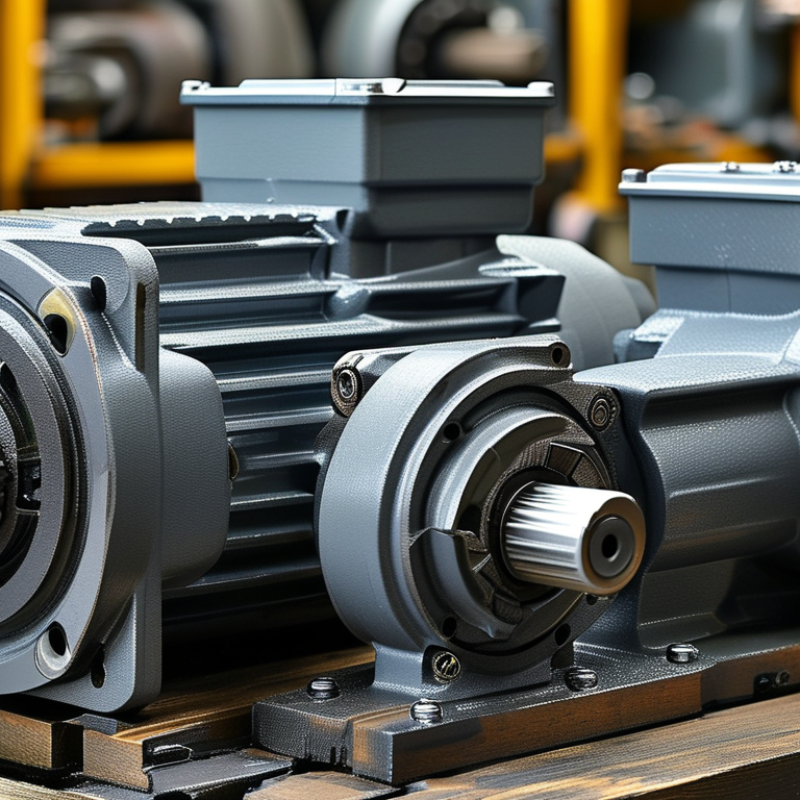
How to Choose the Right Geared Motor for Your Needs?

Understanding the Basics of Geared Motors

Geared motors are essential in various applications, from small devices to large machinery. Understanding their function can greatly impact efficiency. A geared motor combines a motor with a gearbox, adjusting speed and torque. This setup allows for better performance in specific tasks.

Selecting the right geared motor involves several factors. First, consider the torque requirement for your application. Too little torque may hinder performance, while too much could lead to unnecessary energy consumption. Next, evaluate the speed range needed. Some tasks require quick movements, while others benefit from slower, more controlled actions.

Material and environmental conditions also play a role. For example, if the motor will face moisture or dust, choose one with appropriate sealing. Reflect on maintenance needs; certain designs may require more frequent care. Understanding these factors helps in making an informed decision and ensures the motor matches your project's unique demands.

Identifying Your Application Requirements

When selecting a geared motor, understanding specific application requirements is crucial. Different applications demand different torque, speed, and efficiency levels. Recent industry reports indicate that nearly 40% of motor failures stem from improper specifications. This underlines the importance of accurately identifying the necessary parameters before making a decision.

Consider the load type and size. It influences the motor's torque requirements significantly. High-inertia loads may require additional starting torque. A study by the Electric Motor Association highlighted that 35% of motor installations were not adequately matched to their load profiles.

Another factor to assess is duty cycle. Continuous operation motors differ from those designed for intermittent use. Understanding load variations in your application can help prevent overheating and increase lifespan. A miscalculation in duty cycle can lead to reduced performance or even premature failure. Carefully analyze these factors to ensure reliability and efficiency in your geared motor selection.

How to Choose the Right Geared Motor for Your Needs?

This chart illustrates the comparison of different geared motors based on key specifications such as torque, speed, and efficiency for various applications.

Evaluating Motor Specifications and Features

When selecting a geared motor, evaluating motor specifications is crucial. Key attributes to consider include torque, speed, efficiency, and size. According to the International Electrotechnical Commission, torque must align with the application's requirements. In many cases, a 20% margin over the expected load is advisable. This can prevent underperformance or damage to the motor.

Speed is another critical factor. Geared motors often come with specific RPM ratings. As reported by the Electric Motor Association, choosing a motor that operates within 10-15% of the optimal speed can enhance lifespan and performance. Efficiency ratings, such as those provided by the National Electrical Manufacturers Association, help identify energy-saving options. A motor with a higher efficiency rating can reduce operational costs significantly.

Lastly, consider the physical dimensions. Motors need to fit seamlessly into existing systems. Dimensions must be scrutinized, especially in compact spaces. Remember, it's important to recognize that sometimes a powerful motor can be too bulky for a given application. Reflecting on these factors can lead to better choices, ensuring you select a geared motor that genuinely meets your needs. Be mindful that even experienced users may occasionally neglect specifications, which can lead to unexpected performance issues.

Comparing Different Types of Geared Motors

Choosing the right geared motor can be complex. Different types serve various functions. Gear motors vary by design and application. Common types include worm, planetary, and bevel gear motors. Each type has unique characteristics and advantages.

Worm gear motors are compact. They offer high torque output and can handle heavy loads. According to industry reports, worm gears can achieve gear ratios up to 100:1. This makes them ideal for applications requiring significant torque. However, their efficiency can be lower than other designs.

Planetary gear motors provide high power density. They are known for their compact size and durability. Their efficiency typically ranges around 90%. This efficiency makes them suitable for precision applications. On the downside, they can be more expensive due to their complex design.

Tip: Assess the space limitations in your application. A smaller, more efficient motor could save valuable space. Additionally, consider load requirements. High torque applications may benefit from worm gears, while precision tasks may need planetary motors. Always balance cost with performance for the best outcomes.

How to Choose the Right Geared Motor for Your Needs? - Comparing Different Types of Geared Motors

Type of Geared Motor Efficiency (%) Torque (Nm) Speed (RPM) Weight (kg) Best Application
Planetary Gear Motor 85 25 300 4.5 Robotics
Helical Gear Motor 90 35 150 6.0 Conveyors
Worm Gear Motor 75 50 80 5.5 Lifting Applications
Spur Gear Motor 80 20 600 3.0 General Purpose
Bevel Gear Motor 83 30 400 4.0 Automotive Industry

Assessing Efficiency and Performance Factors

When choosing a geared motor, efficiency and performance are critical factors. Assessing these elements helps identify the right motor for your specific application. One must consider the torque requirement, speed, and load. For example, high torque output can ensure that heavier loads are moved effectively. However, it might reduce overall speed.

Another crucial performance factor is the motor's efficiency rating. A motor that operates efficiently can significantly lower energy consumption. This translates to cost savings over time. In applications where the motor runs continuously, this efficiency becomes even more important. Everyday scenarios require a balance between power and operational costs. Sometimes, a powerful motor may not be the best choice if it operates at low efficiency.

Reflecting on your specific needs is essential. It’s easy to overlook the balance between motor size and power output. A motor that is too large for the task may waste energy. Conversely, selecting a small motor might lead to inadequate performance. Understanding the operational environment and load variations can guide your choice. Taking the time to evaluate these factors will yield a more reliable and efficient geared motor selection.

FAQS

: What is a geared motor?

: A geared motor combines a motor and a gearbox. It adjusts speed and torque for specific tasks.

Why is torque selection important?

Insufficient torque can hinder performance. Excessive torque may waste energy and increase costs.

How do I know the speed I need?

Speed requirements vary by task. Some need quick movements; others require slower, controlled actions.

What materials should I consider for a geared motor?

Consider the environment. For moisture or dust exposure, choose motors with appropriate sealing.

How does load type affect motor selection?

Load type and size significantly impact torque needs. High-inertia loads often need more starting torque.

What is a duty cycle?

Duty cycle refers to how often a motor operates. Continuous motors differ from those meant for intermittent use.

How can efficiency impact my choice?

An efficient motor lowers energy consumption. It leads to significant cost savings, especially in continuous applications.

What happens if I choose the wrong motor size?

A large motor wastes energy, while a small one may underperform. Balance is critical for efficiency.

How can neglecting specific needs affect performance?

Overlooking torque, speed, or load variations can lead to overheating or premature motor failure.

What should I do to ensure proper motor performance?

Assess all requirements carefully. Reflect on your specific needs to avoid common pitfalls in motor selection.

Conclusion

When selecting the right geared motor for specific needs, it's essential to start with a solid understanding of how geared motors operate. Begin by identifying the application requirements, which include load handling, speed, and space constraints. Evaluating motor specifications and features, such as torque ratings and power output, plays a crucial role in ensuring the chosen motor aligns with operational demands.

Moreover, comparing different types of geared motors can provide insights into their suitability for various applications. Assessing efficiency and performance factors helps in determining the best fit by taking into account energy consumption and operational reliability. By systematically analyzing these aspects, one can confidently choose a geared motor that meets both practical and technical needs effectively.

Oliver

Oliver

Oliver is a seasoned marketing professional with a wealth of expertise in driving brand awareness and engagement. With a deep understanding of our company's product offerings, he consistently delivers high-quality content that enriches our professional blog. His insights not only shed light on......