Choosing the best plastic pulley is essential for ensuring efficiency in various applications. Renowned expert in the industry, Dr. Emily Carter, notes, "Selecting the right plastic pulley can significantly impact your project's success." This highlights the importance of informed decisions in pulley selection.
Plastic pulleys come in various shapes, sizes, and materials. These factors can complicate the selection process. With different load capacities and environmental conditions, choosing the wrong pulley could lead to failures. Many users underestimate the impact of material quality, which is crucial for durability.
Understanding your specific needs is paramount. Many buyers often focus solely on price rather than performance and longevity. Ask yourself: Will this pulley withstand the stress of daily use? Reflecting on these details can lead to better choices. Careful consideration of your options ensures that the plastic pulley you choose will meet your requirements, enhancing overall efficiency.
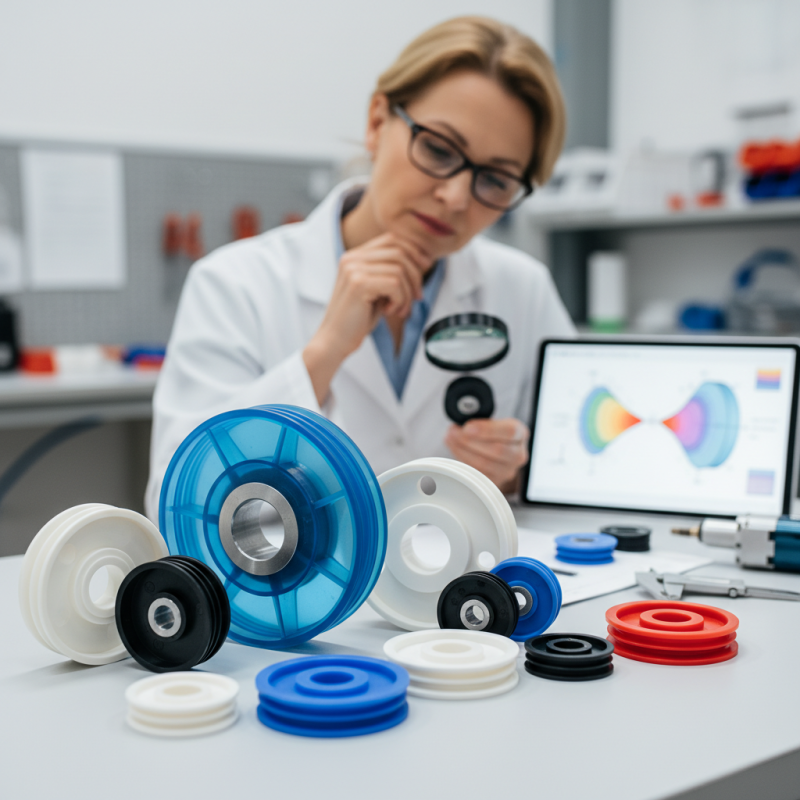
Understanding plastic pulleys involves recognizing their design and functionality. These components are essential in various applications, from small appliances to heavy-duty machinery. Their lightweight nature and resistance to corrosion make them a popular choice among engineers and DIY enthusiasts alike.
When selecting a plastic pulley, consider the load capacity. Think about the weight it needs to support. Choosing a pulley rated for a heavier load than necessary can add safety. A pulley that’s too light might fail, leading to equipment damage.
Tips for choosing: check the material type. Different plastics, like nylon or polypropylene, offer distinct benefits. Nylon provides strength, while polypropylene is lightweight and inexpensive. Ensure the chosen material aligns with your specific use case. Also, pay attention to the diameter of the pulley. This can affect how your setup runs. A larger diameter can reduce stress on the system but might not fit in tight spaces.
When selecting a plastic pulley, several key factors must be considered to ensure optimal performance. One crucial aspect is material composition. Polypropylene and nylon are popular choices, each offering unique strengths. Polypropylene is lightweight, while nylon has superior tensile strength. According to industry studies, nylon pulleys can support loads up to 50% more than polypropylene pulleys of the same size. This is vital when considering load requirements for specific applications.
Another factor to consider is environmental resistance. Pulleys endure various conditions, including UV exposure and moisture. Selecting a pulley that withstands these elements can extend its lifespan. A report from the Plastics Industry Association indicates that UV-stabilized plastic pulleys can last up to 30% longer in outdoor applications than standard variants. This longevity may reduce replacement frequency, lowering long-term costs.
Additionally, weight capacity plays a significant role in selection. Understanding the application’s demands is essential. Some pulleys are designed for high-precision applications, while others are more suited for heavy-duty use. This can impact functionality and efficiency. Missteps in selection can lead to failure, so weighing potential loads and intended use is crucial. Inadequate assessment may result in costly downtimes. Consideration of these factors leads to better choices for individual needs.
When selecting a plastic pulley, understanding the different types and their applications is crucial. Plastic pulleys come in various forms, including round, V-groove, and flat types. Each type serves specific functions, affecting efficiency and performance.
Round pulleys are versatile and commonly used in general applications. They offer decent load-bearing capabilities and are suitable for various setups. V-groove pulleys are ideal for belt drives, providing better traction. Their design helps in aligning the belts effectively, ensuring smoother operation. Flat pulleys excel in directing load in various industrial settings, often chosen for conveyor systems.
Consider these tips: always match the pulley size to the application. Overloading can lead to premature wear. Inspection is essential. Look for cracks or wear that may compromise performance. A 2021 market report indicated that improperly maintained plastic pulleys can reduce system efficiency by up to 30%.
Make sure to analyze the material composition of the plastic. Different plastics, like nylon or acetal, have varying strength and temperature resistance. The choice affects longevity and performance, making it vital to select the right type for specific conditions.
When choosing a plastic pulley, load capacity and durability are key factors. Load capacity refers to the maximum weight a pulley can support. It’s critical to assess the weight of the loads you plan to lift. Pulleys made from high-quality plastics often have better strength-to-weight ratios. This means they can handle heavier loads without being bulky.
Durability is equally important. Plastic pulleys face wear and tear with use. Weather conditions may also play a role in their lifespan. Look for materials that resist UV rays and harsh chemicals. Performing a visual inspection can reveal signs of wear. If a pulley shows signs of abrasion or deformation, it’s time to reconsider.
Tips for selecting the right pulley: Always consider your specific environment. For outdoor use, UV-resistant options are best. Check weight limits to ensure safety. Conduct regular maintenance checks to prolong the pulley's life. These practices help in making informed decisions while choosing a plastic pulley.
Plastic pulleys can serve various applications, but their longevity relies heavily on proper maintenance. Regular inspection is key. Look for signs of wear or cracks, which can compromise performance. Even a small fissure can lead to greater damage over time. Apply a suitable lubricant periodically to reduce friction. The right lubricant choice can prevent overheating and ensure smooth operation.
Environmental factors also play a major role. Heat, moisture, and exposure to chemicals can deteriorate plastic materials. Store pulleys in a controlled environment when not in use. Be cautious with cleaning agents; harsh chemicals might weaken the pulley’s structure. If possible, consider using a gentle soap solution for cleaning instead.
Routine maintenance is essential for performance. However, sometimes overlooked areas can lead to problems. Dust accumulation can lead to obstructions. Check frequently to keep surfaces clean. Although pulleys are designed for durability, ongoing attention is crucial for optimal use.
: Common materials include polypropylene and nylon. Each has unique strengths for various applications.
Nylon pulleys can support loads up to 50% more than polypropylene of the same size. This difference matters significantly.
Pulleys face conditions like UV exposure and moisture. Choosing UV-stabilized options can extend lifespan by up to 30%.
Types include round, V-groove, and flat. Each type serves specific functions and impacts performance.
Always match pulley size to the intended application. Overloading can cause premature wear and reduce efficiency.
Check for any cracks or wear. Neglected pulleys can decrease system efficiency by up to 30%.
The choice of plastic, like nylon or acetal, impacts strength and temperature resistance. This affects overall performance.
Yes, poorly maintained pulleys can lead to substantial inefficiencies. Regular inspection is crucial for optimal performance.
Miscalculating load can lead to equipment failure, resulting in costly downtimes. Accurate assessment is essential.
Yes, various factors must be considered. It requires careful analysis of material, type, and application needs.
Choosing the right plastic pulley is essential for maximizing efficiency and ensuring safety in various applications. Understanding the basics of plastic pulleys involves recognizing their advantages, such as lightweight construction and resistance to corrosion. When selecting a plastic pulley, key factors to consider include the specific application, load capacity, and environmental conditions, as these elements greatly influence performance.
Different types of plastic pulleys serve a wide range of applications, from industrial settings to household use. Evaluating the load capacity and durability is crucial, as it impacts the longevity and effectiveness of the pulley. Regular maintenance practices can further enhance the lifespan of plastic pulleys, ensuring they perform optimally over time. By considering these factors, users can make informed decisions to select the best plastic pulley that fits their needs.

Divistechs Gear Motor