Gear Reduction plays a critical role in enhancing the efficiency of machinery across various industries. According to a report by the American Gear Manufacturers Association, gear reduction systems can improve torque output by up to 50%. This significant increase is vital in applications ranging from manufacturing to automotive. The reduction in speed, paired with increased torque, allows machines to operate efficiently, extending their operational lifespan and reducing energy consumption.
John Smith, a renowned expert in mechanical engineering, emphasizes, "The right gear reduction can transform how machinery operates. It directly affects performance and reliability." His insights reflect the necessity of understanding gear ratio implications. Often overlooked, gear reduction affects not only efficiency but also machinery safety. Ineffective gear systems can lead to mechanical failures, resulting in costly downtime and repairs.
Despite the apparent benefits, many industries still underestimate the importance of optimizing gear reduction for their specific needs. They may employ standardized systems without considering how customized solutions could boost performance. As industries evolve, it becomes increasingly crucial to reassess gear reduction strategies to maintain competitive advantages. The journey to complete efficiency begins with a fine-tuned understanding of gear reduction principles.
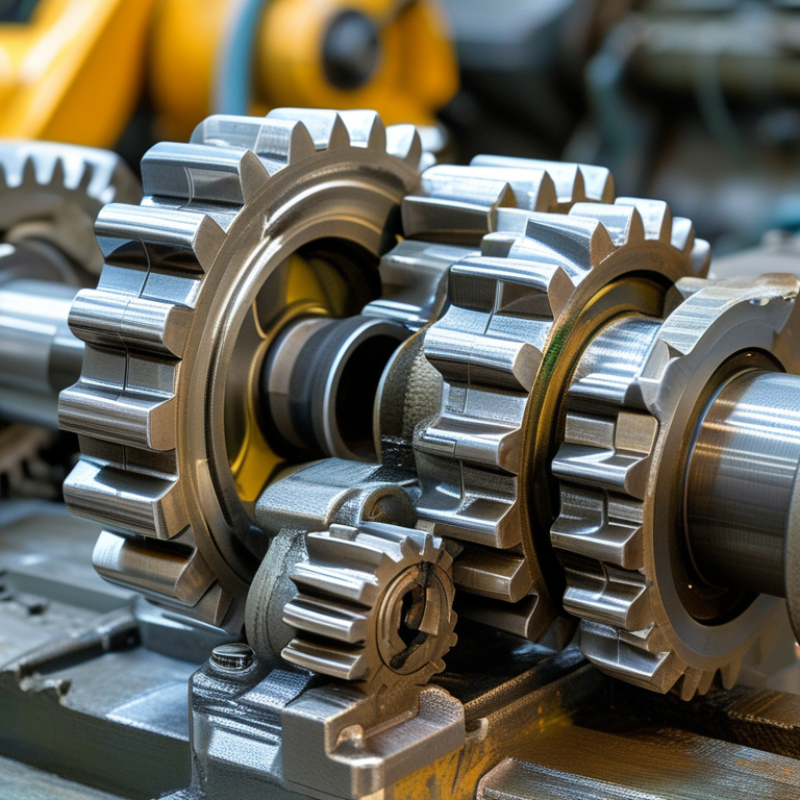
Gear reduction plays a crucial role in enhancing the efficiency of machinery. It involves using gears to reduce the speed of a motor while increasing torque. This is vital for machinery that operates under heavy loads. By optimizing energy use, machines can perform better and last longer. Efficiency translates to lower operational costs and less waste.
Understanding gear reduction requires examining the mechanics behind it. The ratio between the gears determines how torque increases and speed decreases. For example, a gear ratio of 4:1 means the motor turns four times for every single rotation of the output. This reduction is key for applications like construction equipment, where high torque is essential.
However, gear reduction also presents challenges. It can introduce complexity into design and maintenance. Over time, components may wear out or misalign, affecting efficiency. Engineers must constantly reflect on these dynamics. Balancing gear size and ratio is crucial. Striking the right balance ensures optimal performance while mitigating risks. Continuous learning and adaptation within this field are essential for progress.
Gear reduction is crucial for machinery efficiency. It plays a key role in torque and speed control. By utilizing gears of different sizes, machinery can optimize its performance under various conditions. A larger gear imparts more torque, while a smaller gear increases speed. This balance is essential in applications ranging from industrial machines to automotive engines.
Choosing the right gear ratios is vital. Incorrect ratios can lead to inefficiencies and increased wear on components. This can ultimately result in greater operational costs. Consider the demands of your machinery. Analyze how torque and speed may shift in different situations. Understand the relationship between speed and force when selecting gear setups.
Tips: Always consult expert resources to determine the best gear ratios for your needs. Conduct tests to ensure machine performance aligns with expectations. Regularly review and adjust your gear systems to maintain efficiency. Being proactive can prevent costly downtime and enhance overall productivity. Remember, even small adjustments can lead to substantial improvements.
Gear reduction plays a critical role in enhancing the energy efficiency of machinery. By decreasing the speed of motors while increasing torque, gear systems optimize operations in various industries. According to a report from the U.S. Department of Energy, implementing gear reduction can reduce energy consumption by up to 15%. This reduction is significant for energy-intensive facilities such as manufacturing plants.
Moreover, the efficiency gained from gear reduction leads to lower operational costs. An analysis by the International Energy Agency (IEA) showed that advanced gear systems could lower energy misuse by as much as 25% in industrial applications. When machinery operates more efficiently, it also contributes to less wear and tear, thus increasing its lifespan. However, some industries still use outdated systems, resulting in missed opportunities for efficiency gains.
Implementing modern gear reduction technologies may require upfront investment. Yet, the long-term benefits can outweigh initial costs. Existing data suggests that facilities can see return on investment within two years from enhanced energy savings alone. This pushes companies to reassess their existing setups and consider overhauls, even with the complexities involved. Balancing costs with potential savings remains a challenge.
Gear reduction plays a crucial role across various industries. It changes the speed and torque of machinery, enabling more efficient operations. For instance, in manufacturing, gear reduction enhances the performance of conveyor systems. By slowing down the speed, it ensures smooth and controlled movement of materials.
In the automotive sector, gear reduction is vital for vehicle transmissions. It allows engines to operate more efficiently, improving fuel economy. Each gear shift adjusts the power delivered to the wheels, optimizing performance. Heavy equipment, such as excavators, also benefits from gear reduction. It enables precise control of heavy loads, enhancing safety and productivity on construction sites.
In renewable energy, gear reduction is essential for wind turbines. It converts the slow rotational speed of turbine blades into higher speeds for electricity generation. This adaptability makes it vital in harnessing wind energy effectively. However, maintaining precise gear ratios can be challenging. Misalignment may lead to wear and reduce efficiency over time. Careful monitoring is necessary to ensure optimal performance.
Gear reduction plays a crucial role in machinery efficiency, but its design presents several challenges. One major consideration is the trade-off between size and power output. Smaller gears often save space but may sacrifice torque. Engineers need to balance these factors carefully to avoid performance issues.
Another challenge lies in material selection. Choosing the right materials affects durability and operational costs. High-strength materials can improve efficiency but may be more expensive and harder to manufacture. Additionally, the manufacturing process itself can introduce tolerances that impact gear performance. Precision is vital, yet achieving it at scale can be a daunting task.
Noise and vibration are also key concerns. Gears that aren't perfectly aligned can cause excessive noise and wear over time. This not only affects the machinery's lifespan but also its operational environment. Regular maintenance can mitigate these issues, but it adds complexity to machinery management. Engineers must constantly seek ways to enhance gear design while addressing these multifaceted challenges.
: Gear reduction is essential for optimizing torque and speed in machinery performance.
Larger gears increase torque, while smaller gears enhance speed. Balance is crucial.
Incorrect gear ratios can cause inefficiencies and increased wear, raising operational costs.
Analyze machinery demands and how torque and speed shift in various situations.
It slows down conveyor systems, ensuring smooth movement of materials.
It improves fuel economy by efficiently adjusting engine power to the wheels.
It enables precise control of heavy loads, enhancing safety on construction sites.
It converts slow wind turbine speeds into higher speeds for effective electricity generation.
Misalignment can cause wear and reduce efficiency, requiring careful monitoring.
Even minor changes can lead to significant improvements in overall efficiency.
Gear Reduction is a critical aspect of machinery design that influences both performance and efficiency. By understanding how gear reduction works, we can see its role in controlling torque and speed, allowing machines to operate at optimal levels for various tasks. The benefits of gear reduction extend to energy efficiency, as it enables motors to work more effectively, reducing overall energy consumption.
Moreover, gear reduction finds applications across diverse industries, from manufacturing to automotive, where it enhances functionality and reliability. However, designers must also navigate certain challenges and considerations in creating effective gear reduction systems. Overall, the importance of gear reduction cannot be understated, as it is essential for the advancement of efficient machinery.

Divistechs Gear Motor