What Are the Key Benefits of Using Stepper Motors?

Time:2026-07-02 Author:Henry
0%

Stepper motors are becoming increasingly popular in various industries. Their precise movement capabilities are unmatched. This article explores the key benefits of using stepper motors.

A stepper motor allows for accurate control of angular position. This precision makes it ideal for applications requiring reliability. For example, in 3D printers, stepper motors ensure layers are aligned correctly. Additionally, they are energy-efficient. This helps reduce operational costs over time.

Using stepper motors can enhance system performance. They maintain accuracy even at different speeds. However, users must consider the torque limitations. Understanding this aspect can lead to better application results. Stepper motors have a lot to offer, but careful evaluation is essential.
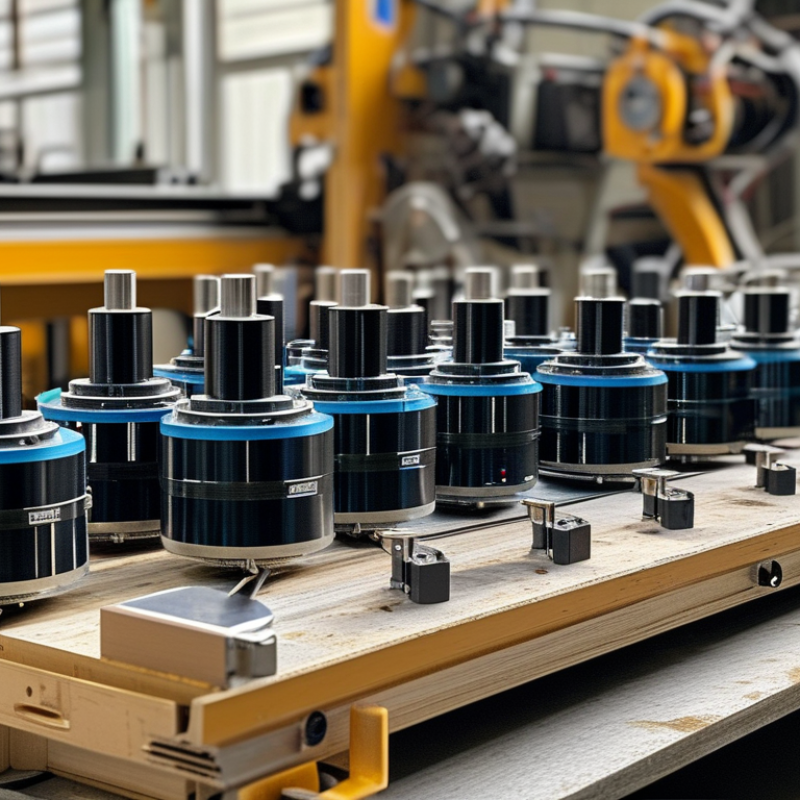
What Are the Key Benefits of Using Stepper Motors?

Definition and Basic Working Principle of Stepper Motors

Stepper motors are widely used in automation and robotics. Understanding their basic working principle is essential for maximizing their potential. These motors operate by dividing a full rotation into equal steps. Each step represents a precise angle, allowing for accurate control of movement.

The key components of a stepper motor include the rotor and the stator. The rotor is typically a permanent magnet. The stator consists of coiled wire winding. When voltage is applied to the coils, a magnetic field is created. This field interacts with the rotor, causing it to move in discrete increments.

According to industry reports, the global stepper motor market is projected to reach over $4 billion by 2027. This growth highlights their increasing importance in various applications. In some cases, improper setup can lead to missteps in motor performance. Regular maintenance and adjustments can prevent issues.

**Tip:** Always ensure your power supply is adequate. An insufficient supply can cause the motor to skip steps.

Understanding the nuances of stepper motors can lead to better performance. Factors like load weight and speed can affect how smoothly they operate. Testing different conditions helps find the optimal setup for your specific needs.

**Tip:** Conducting small-scale tests can yield valuable insights before full implementation.

Advantages of Precision Control in Stepper Motor Applications

Stepper motors excel in precision control, making them ideal for various applications. Their ability to move in discrete steps offers meticulous control over position, without requiring feedback systems. This feature is particularly beneficial in robotics, 3D printing, and CNC machinery. In these applications, even minuscule errors can result in significant complications, leading to wasted time and materials. With stepper motors, engineers can achieve high accuracy with simple step counts.

In addition to precise movements, stepper motors provide reliable torque at low speeds. This consistency helps maintain performance without overheating. Manufacturers often use these motors for automation tasks, where precision and repeatability are paramount. However, not all stepper motor designs are created equal. Variations in design can lead to unexpected behavior, such as resonance issues or missed steps. Understanding these limitations is essential for engineers to optimize their applications effectively.

Another point worth considering is the trade-off between speed and torque. While stepper motors offer excellent low-speed torque, their performance may decrease at higher speeds. This can lead to challenges in applications that require rapid movements. Engineers must carefully evaluate their requirements to select the right type of motor. Balancing speed and torque will ensure smoother operations.

Key Benefits of Using Stepper Motors

Comparison of Stepper Motors with Other Types of Motors

Stepper motors offer distinct advantages over other motor types, especially when precision is paramount. Unlike DC motors, which provide continuous rotation, stepper motors excel in applications requiring accurate positional control. This control is achieved through discrete steps, making them ideal for robotics and CNC machinery. According to recent industry reports, stepper motors can maintain a torque output of around 90% at very low speeds, a feature that’s crucial for automation and control tasks.

When comparing stepper motors to servo motors, it's important to note the differences. Servo motors can offer higher speeds and smoother motion, but they often come with more complexity and cost. Statistically, 40% of applications prioritize simplicity and cost-effectiveness which positions stepper motors as the more appealing choice in these scenarios.

Tips: Consider the required precision of your application. If high accuracy is vital, stepper motors are probably the better choice. However, evaluate the overall system complexity and potential for upgrade. This reflection might lead to a more integrated solution down the line.

Common Applications of Stepper Motors in Various Industries

Stepper motors play a crucial role in various industries due to their precise control and reliability. In robotics, they help control movements with exact positions. This precision is essential for applications like robotic arms and automated guided vehicles. Each step translates into a specific angle of rotation, enabling smooth and accurate operations.

In the manufacturing sector, stepper motors are used in CNC machines for cutting and engraving materials. Their ability to maintain torque at different speeds allows for efficient production processes. Moreover, they are pivotal in 3D printers. Here, they control the extruder and print bed movements. This accuracy ensures high-quality prototypes and final products.

Automotive industries also benefit from stepper motors. They are used in electric windows, seat adjustments, and dashboard displays. Their reliability in these applications enhances user experience significantly. However, not all applications are flawless. Systems employing stepper motors must be carefully calibrated to avoid skipping steps. This issue requires more attention to detail to improve performance and reliability in real-world scenarios.

Considerations for Selecting Stepper Motors in Engineering Projects

When selecting stepper motors for engineering projects, several key considerations emerge. Assess torque requirements. Make sure the motor provides enough thrust for your specific application. Underestimating this can lead to performance issues.

Another important point is thermal management. Stepper motors can generate heat during operation. Ensure your design includes adequate cooling solutions. Failing to do so may result in overheating, which can damage the motor.

Tips: Always review the motor's datasheet. Check specifications carefully to avoid compatibility issues. Don’t overlook the power supply requirements. An insufficient power source may limit motor performance. And remember, while stepper motors are reliable, consider your project’s long-term maintenance needs. Adjustments might be necessary over time.

FAQS

: What is a stepper motor and how does it work?

: A stepper motor divides a full rotation into equal steps for precise movement control.

What are the main components of a stepper motor?

The rotor is a permanent magnet, and the stator consists of coiled wire winding.

Why is power supply important for stepper motors?

An inadequate power supply can cause the motor to skip steps and perform poorly.

How does load weight affect stepper motor performance?

Heavy loads can impact the motor's smooth operation and overall performance.

What industries commonly use stepper motors?

Stepper motors are widely used in robotics, manufacturing, and automotive applications.

What benefits do stepper motors provide in CNC machines?

They allow precise cutting and engraving by maintaining consistent torque at various speeds.

What challenges do stepper motors face at high speeds?

Performance may decline at higher speeds, requiring careful evaluation of motor selection.

How can engineers optimize stepper motor applications?

Understanding design variations and testing different conditions can enhance performance.

What role do stepper motors play in 3D printing?

They control movements of the extruder and print bed, ensuring high accuracy in production.

What should be done to prevent steps being skipped in applications?

Systems require careful calibration and regular maintenance for reliable performance.

Conclusion

Stepper motors are widely recognized for their ability to provide precise control over motion, making them essential in various engineering applications. Their working principle allows for accurate positioning and repeatability, which is crucial in tasks that require high precision. Compared to other types of motors, stepper motors stand out due to their ability to perform well in open-loop control systems without the need for feedback devices, providing substantial advantages in certain scenarios.

In addition to precision control, stepper motors are utilized across numerous industries, including robotics, automation, and manufacturing, due to their flexibility and reliability. When selecting a stepper motor for engineering projects, it is important to consider factors such as torque, speed requirements, and load capacity to ensure optimal performance. The versatility and efficiency of stepper motors continue to drive their popularity in modern technological applications.

Henry

Henry

Henry is a dedicated marketing professional with a profound expertise in the company's offerings. With years of experience in the industry, he possesses an impressive understanding of the market dynamics and consumer behaviors that drive success. Henry is committed to sharing his insights through......