Choosing the right electric actuator can be a daunting task. The market offers many options, each with unique features and specifications. Understanding your specific needs is crucial. Electric actuators play a vital role in various industries. They enhance automation, improve efficiency, and ensure precise movements.
When selecting an electric actuator, consider the application first. High torque or speed may be required for specific tasks. Identify your system's requirements, including load capacity and stroke length. Reliability matters too; you want something that won't fail under pressure. This equipment should perform consistently over time.
Research is essential when making a decision. Focus on brands with proven track records. Look for user reviews and expert opinions. Weigh the pros and cons before committing. Every choice has its trade-offs, and it's vital to reflect on them. Remember, the right actuator can significantly impact your workflow. Upgrade your operations with careful selection.
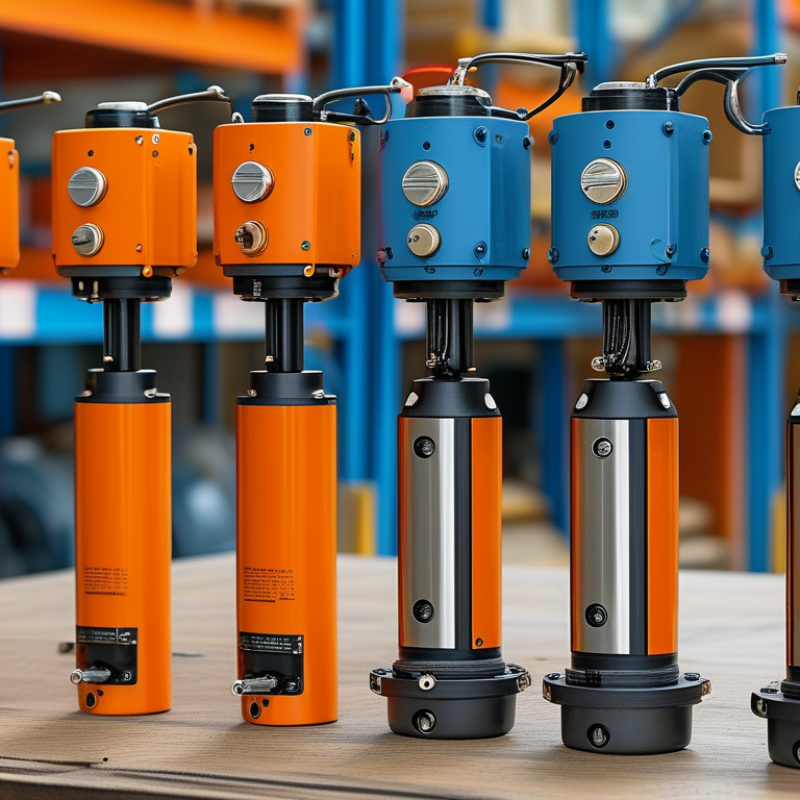
Electric actuators are essential components in various industries, providing precise control in automation. Understanding their basic functions and applications is crucial for effective implementation. A recent industry report indicates that the global electric actuator market is expected to reach $47 billion by 2027, growing at a CAGR of approximately 6% from 2023. This surge highlights the increasing reliance on electric actuators in sectors like automotive, aerospace, and manufacturing.
In practice, electric actuators convert electrical energy into mechanical motion. They vary in types, including linear and rotary actuators, each suited for different tasks. Linear actuators are commonly used in robotics and conveyor systems, while rotary actuators are prevalent in valve control. A survey by a leading automation firm revealed that 72% of manufacturers prioritize energy efficiency and precision in actuator selection. However, many users fail to consider environmental factors, leading to suboptimal performance.
Electric actuators provide significant advantages, yet they have limitations. They can be sensitive to temperature changes and may require regular maintenance. Users often overlook these aspects, resulting in equipment downtime. A proactive approach is needed. Understanding the operating parameters and conducting thorough application assessments can help avoid these pitfalls. Such knowledge empowers users to make informed decisions, ensuring maximum benefits from the technology.
: An electric actuator converts electrical energy into mechanical motion. They are used for various automation tasks.
There are linear and rotary actuators. Linear ones are often used for robotics; rotary ones control valves.
Each application has different requirements. Choosing the wrong actuator can lead to poor performance and inefficiencies.
Temperature, humidity, and contaminants can impair performance. Neglecting these factors leads to failures and maintenance issues.
Different applications need different speeds. A slow actuator might not work for time-sensitive tasks, affecting productivity.
Many users overlook maintenance and environmental impact, causing downtime and performance drops. Regular checks are essential.
Assess application requirements and environmental conditions thoroughly. This helps match the actuator to your needs effectively.
Regular checks based on environmental threats are crucial. Different settings require tailored maintenance approaches for reliability.
A majority of manufacturers prioritize energy efficiency. It boosts performance and reduces operational costs in the long run.
Ignoring environmental stressors may seem cost-effective upfront. However, it usually leads to expensive failures over time.
When selecting the right electric actuator for your needs, it's essential to understand the fundamentals and applications of these devices. Electric actuators are integral in various industries, facilitating movement and control in automation systems. Begin by identifying your specific performance requirements, such as load capacity and speed, to ensure the actuator meets your application's demands.
Next, evaluate the different types of electric actuators, such as linear, rotary, and customizable options, to find the best fit for your system. Environmental factors, like temperature and humidity, should also be considered, as they can impact actuator performance and longevity. Finally, keep in mind the importance of cost and the reputation of the manufacturer to guarantee a reliable and effective solution. By carefully considering these aspects, you can choose an electric actuator that aligns with your operational needs and constraints.

 Divistechs Gear Motor