In the fast-evolving landscape of industrial applications, the demand for efficient power solutions has surged. DC Gear Motors stand out as vital components in various sectors. According to recent industry reports, the global DC motor market is projected to reach $10 billion by 2025, growing at a CAGR of 4.5%. This growth reflects the increasing automation and precision required in modern industries.
These motors offer exceptional torque and speed control, making them ideal for applications ranging from robotics to conveyor systems. However, technical challenges exist, such as heat management and energy efficiency. Selecting the right DC Gear Motor can impact overall system performance significantly. Industry experts emphasize that careful evaluation of factors such as power output and mounting configuration is crucial for optimal results.
Despite advancements, some users still encounter problems, such as misalignment and excessive wear. Lessons learned from these challenges highlight the importance of installation and maintenance. By adopting best practices and understanding motor specifications, engineers can enhance operational reliability and longevity. Thus, choosing the perfect DC Gear Motor becomes paramount in achieving industrial success.
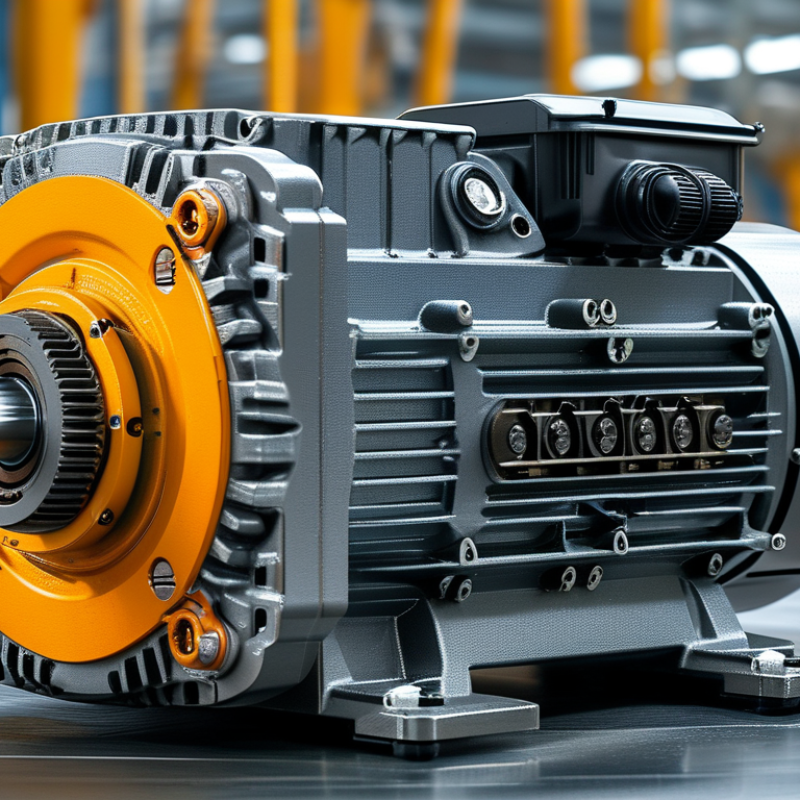
Understanding DC Gear Motors: Key Characteristics and Benefits
DC gear motors are essential for various industrial applications. Their design combines a DC motor with a gear reducer. This combination enhances torque and control for heavy-load systems. Effective torque scaling is crucial for many industries. In robotic arms, packing machines, and conveyor belts, the right gear ratio can make a significant difference.
Key characteristics of DC gear motors include their adjustable speed and precise positioning. These motors can easily be tuned for different applications. Reliable gear constructions minimize wear and improve longevity. However, it's important to consider the potential for overheating if overloaded. Proper heat management ensures optimal performance and extends lifespan.
Choosing a DC gear motor involves understanding your specific needs. Factors like load requirements and space constraints matter. Regular maintenance can prevent issues and enhance reliability. Some users might overlook this aspect, leading to reduced efficiency. The balance between cost and performance must be carefully evaluated for long-term success.
Top 10 DC Gear Motors for Industrial Applications: A Comprehensive Overview
When selecting DC gear motors for industrial applications, understanding the various options is crucial. These motors convert electrical energy into mechanical energy, providing reliable motion in various environments. Key features include torque, speed, and size, which can greatly affect performance. The ideal motor often depends on specific requirements like load capacity and operating conditions.
DC gear motors can vary widely in efficiency and cost. Some models offer high torque at low speeds, which is ideal for heavy-duty tasks. Others are designed for precision applications, requiring finer control and faster response times. It is essential to evaluate the specifications against the application's demands. Many users overlook maintenance, which can lead to premature failures.
In many cases, gear reduction is a necessity for achieving the desired output. This affects the overall size and weight of the motor. Engineers often face challenges in balancing power with efficiency. Finding the right fit may require testing multiple models. Not every motor will perform as expected, emphasizing the need for thorough research and testing. Ultimately, understanding these details fosters better decision-making in selecting the right DC gear motor for any industrial application.
Performance Metrics: Efficiency, Torque, and Load Capacity in DC Gear Motors
When choosing DC gear motors for industrial applications, performance metrics play a crucial role.
Efficiency is one of the most significant factors.
High-efficiency motors waste less energy, resulting in lower operational costs.
These motors transform electrical energy to mechanical energy more effectively, enhancing overall productivity.
Torque is another vital consideration. It determines a motor's ability to initiate movement and maintain speed under load.
Higher torque ratings mean the motor can handle heavier applications or varying load conditions.
This is essential in environments where machines experience sudden changes in load.
Load capacity cannot be overlooked. A motor must be able to support the weight and demands of whatever it drives.
Underestimating load capacity can lead to failures, decreased lifespan, or safety hazards.
Industrial settings often put equipment through rigorous tests, and reliability becomes a necessity.
Every application has unique requirements, and matching these with the right motor specifications is critical.
In the complex world of mechanical movement, attention to detail can make or break operational success.
Applications and Industries: Where DC Gear Motors Excel
DC gear motors play a pivotal role across various industrial applications. They excel in environments requiring precise control and high torque. According to recent industry reports, the global demand for DC gear motors is projected to reach 12.3 million units by 2027. This growth highlights the importance of these motors in sectors like robotics, automation, and materials handling.
In manufacturing, DC gear motors drive conveyor systems and robotic arms. Their ability to operate at varying speeds allows streamlined operations. For example, in the packaging industry, they ensure consistent product flow. However, challenges remain, such as energy efficiency during prolonged use. Adjusting gear ratios can improve performance and minimize energy loss.
In automotive applications, they are integral to power steering and window mechanisms. Their compact size and high torque make them suitable for tight spaces. Yet, the potential for mechanical wear poses a concern. Regular maintenance and quality materials are essential for longevity. Companies must navigate these issues to leverage the full benefits of DC gear motors.
Selecting the Right DC Gear Motor: Factors and Considerations for Buyers
When selecting a DC gear motor for industrial applications, several factors come into play. Buyers need to consider torque requirements first. Understanding how much torque a specific application demands can prevent motor overload. This can lead to frequent breakdowns or subpar performance.
Speed is another critical factor. Different applications require varying speeds. A motor's RPM rating should match the requirements of the machinery or system in use. Furthermore, the physical size of the motor can affect installation space. Always measure your available space and compare it with the motor dimensions.
Power efficiency is vital too. Buyers should look for motors that balance power consumption with performance. This often requires reviewing datasheets and performance curves. In some instances, manufacturers provide standard specifications that may not meet specific needs perfectly. Evaluating multiple options can uncover better-suited alternatives, albeit it takes time and careful consideration.
FAQS
: DC gear motors are used in robotics, automation, and materials handling. They excel in precise control and high torque applications.
They drive conveyor systems and robotic arms, allowing operations to run smoothly. Their speed adaptability helps maintain consistent product flow.
Energy efficiency can be a concern during extended use. Adjusting gear ratios may help improve performance and reduce energy loss.
Their compact size and high torque make them ideal for power steering and window mechanisms in tight spaces.
Mechanical wear can occur, highlighting the need for regular maintenance. Using quality materials can enhance their lifespan.
Torque requirements should match the application to avoid overload and breakdowns. Understanding specific needs is crucial.
Speed is critical; different applications require different RPM ratings to ensure optimal performance in machinery.
Buyers should seek motors that balance power consumption and performance, often requiring detailed review of datasheets.
The motor's physical dimensions must fit within the available installation space to avoid fitting issues.
Standard specifications may not fit all needs perfectly. Taking the time to compare options can reveal better alternatives.
Conclusion
DC gear motors are essential components in various industrial applications due to their efficiency, high torque, and ability to handle different load capacities. Understanding the key characteristics and benefits of DC gear motors is crucial for selecting the right one for specific needs. The article presents a comprehensive overview of the top 10 DC gear motors available, analyzing their performance metrics to help buyers make informed decisions.
Applications for DC gear motors span numerous industries, showcasing their versatility and effectiveness in driving machinery and equipment. When selecting a DC gear motor, factors such as efficiency, torque requirements, and load capacity must be considered to ensure optimal performance. By understanding these elements, businesses can enhance their operations and achieve greater productivity.

 Divistechs Gear Motor