A High Efficiency Motor is designed to convert more electrical input into useful mechanical output, wasting less energy as heat, sound, and vibration. The difference can be hard to see on a nameplate alone. It becomes clearer in a motor room: a cooler frame, a quieter fan, or lower power demand during long operating hours. Energy-efficiency expert Amory Lovins is often associated with the principle, “The cheapest, cleanest, safest energy is the energy we don’t use.” For motor users, that idea makes efficiency more than a label; it can shape operating costs and energy use over years.
But “high efficiency” is not a magic badge. Results depend on the motor’s load, run time, speed control, installation, and the efficiency standard used for comparison. A motor operating far below its intended load may not deliver the expected savings. A poorly aligned shaft or an oversized pump can also undermine a careful equipment choice. Small details matter. A sound assessment starts with real operating data, such as running hours, load patterns, and measured power—not just catalog claims.
This guide explains how a High Efficiency Motor works, which losses its design seeks to reduce, and how efficiency classes are compared. It also looks at practical selection and payback considerations. The arithmetic can be useful, though forecasts are still estimates. Readers will find clear ways to judge whether an upgrade fits their equipment, duty cycle, and budget.
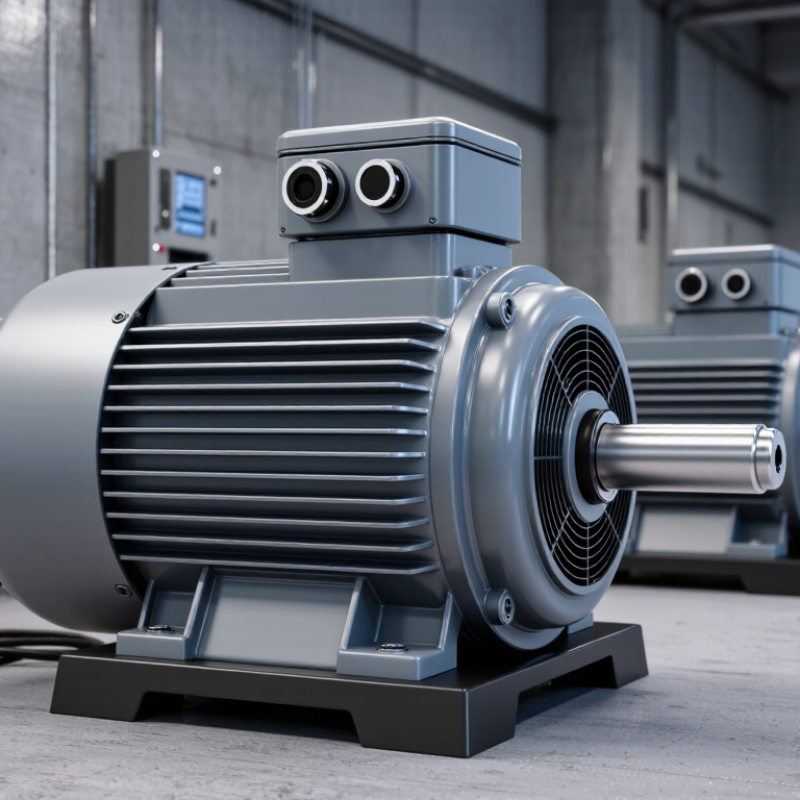
Definition and Core Characteristics of a High-Efficiency Motor
A high-efficiency motor converts more electrical energy into useful shaft power, wasting less as heat, sound, and vibration. Its design typically reduces copper and core losses, while improved bearings and airflow can limit mechanical losses. In practice, the efficiency figure on a nameplate describes performance under specified test conditions—not every operating point. Small detail. A lightly loaded motor may perform differently.
The International Energy Agency’s 2011 report on electric motor systems estimates that these systems use about 45% of global electricity. That estimate covers motors and their driven equipment, not motors alone, but it shows why efficiency matters. IEC 60034-30-1 defines motor efficiency classes, including IE1 through IE4. Higher classes indicate lower losses at rated conditions. Core characteristics include rated efficiency, power factor, temperature rise, and reliable output across the intended duty cycle. A real-world assessment should also consider speed control, load variation, and maintenance. The label is useful, but it is not the whole story.
Tips: Compare efficiency at the motor’s actual load, not just full-load ratings. Check shaft power, operating hours, and supply voltage before selecting a replacement. Keep the motor clean and inspect bearings regularly; even a good specification cannot compensate for poor upkeep.
How High-Efficiency Motors Convert Electrical Energy
A high-efficiency motor converts electrical energy into useful shaft work while losing less energy as heat, sound, and vibration. In an AC induction motor, current in the stator creates a rotating magnetic field. This field induces current in the rotor, and their interaction produces torque. The shaft turns.
Not every watt reaches the load. Resistance in the windings warms the copper, while magnetic changes heat the iron core. Bearings and moving air add friction losses. Better electrical steel, carefully shaped magnetic paths, and lower-resistance windings can reduce these losses. Less heat escapes. The motor follows the same energy balance, but converts a larger share of its input into mechanical power. At a fixed load, that may mean lower energy use; actual results depend on the motor and how it operates.
Efficiency ratings describe performance under specified test conditions, not every moment on a factory floor. An oversized motor, poor alignment, or operation far below its efficient load point can reduce expected savings. A suitable drive can help control speed, but the setup matters. That detail is easy to miss. Compare electrical input with shaft output over the real duty cycle, and consider heat, noise, and maintenance too. A rating is useful, but it does not tell the whole story.
What Is a High Efficiency Motor? - How High-Efficiency Motors Convert Electrical Energy
| Topic |
Measure or Stage |
Value or Description |
What It Means |
| Definition |
Motor efficiency |
Efficiency = mechanical output power ÷ electrical input power × 100% |
A high-efficiency motor converts a larger share of the electrical power it receives into useful shaft power. |
| Energy conversion |
Electrical input |
Power supplied to the motor |
The motor’s magnetic fields and currents create torque that turns the rotor. |
| Energy conversion |
Mechanical output |
Rotating shaft power |
The shaft delivers power to the driven equipment, such as a pump, fan, or conveyor. |
| Energy not converted to shaft power |
Motor losses |
Electrical input power − mechanical output power |
Losses become heat, sound, and other minor effects. Common losses include winding resistance, magnetic effects in the core, friction, and air resistance. |
| Calculated example |
Input: 10.0 kW; efficiency: 90% |
Output: 9.0 kW; losses: 1.0 kW |
Illustrative calculation: output equals input multiplied by efficiency; losses equal input minus output. |
| Calculated example |
Input: 10.0 kW; efficiency: 95% |
Output: 9.5 kW; losses: 0.5 kW |
At the same electrical input, this example delivers more shaft power and has lower losses than the 90% example. |
| Calculated example |
Input: 10.0 kW; efficiency: 97% |
Output: 9.7 kW; losses: 0.3 kW |
These figures demonstrate the efficiency calculation; they are not guaranteed ratings for a particular motor. |
| Efficiency classification |
IEC efficiency classes |
IEC 60034-30-1 defines classes IE1, IE2, IE3, IE4, and IE5 for applicable motor types. |
A class label is not one universal percentage. The applicable efficiency limit depends on factors such as rated output, number of poles, and supply frequency. |
| Operating conditions |
Actual performance |
Depends on motor design, load, speed, supply, and operating conditions. |
Efficiency is generally highest near the motor’s intended operating range; the nameplate and test data are needed for a specific motor. |
| Note |
Example values |
The 10.0 kW examples are calculated comparisons for explanation only, not measured results or fixed values for any efficiency class. |
Design Features That Reduce Motor Energy Losses
What Is a High Efficiency Motor?
Design Features That Reduce Motor Energy Losses
A high-efficiency motor is designed to waste less electrical energy as heat, vibration, and airflow. Its copper windings may use more conductor material, reducing electrical resistance and the heat produced under load. This matters in a motor that runs for many hours beside a pump or conveyor. Small details matter.
Inside the stator, thin electrical-steel laminations help limit eddy-current losses. Carefully selected magnetic materials also reduce energy lost as the magnetic field changes. The rotor and air gap are designed to support a useful magnetic field without unnecessary current. These choices work together; no single feature does all the work.
Mechanical losses count, too. Low-friction bearings and a fan shaped for effective cooling can reduce the power spent overcoming drag. Accurate alignment and manufacturing tolerances help limit vibration and uneven air gaps.
Still, the trade-offs are real: extra copper or steel can add weight and cost. And efficiency depends on operating conditions. A motor running far below its intended load may not deliver its best performance. The nameplate gives useful data, but checking actual load and duty cycle gives a clearer picture.
Efficiency Classes and How They Are Measured
Efficiency classes describe how much electrical input a motor converts into useful mechanical output. Under IEC 60034-30-1, common international classes run from IE1 to IE5, with higher numbers indicating greater efficiency. A class is not a claim that every motor saves the same amount of energy. Ratings depend on factors such as rated power, pole count, and operating frequency.
Testing compares electrical power entering the motor with mechanical power available at its shaft. Technicians measure input power, shaft torque, and rotational speed under defined conditions; efficiency is the shaft output divided by electrical input. Losses become heat, so winding temperature and the test method can affect results. That distinction matters. IEC 60034-2-1 sets out methods for determining losses and efficiency. A nameplate rating reflects a specified operating point, not every real-world load. Motors often run below full load, where efficiency can change. It is not perfect. Comparing motors fairly means checking the same rating conditions and test basis, then considering the actual duty cycle, supply, and maintenance.
What Is a High-Efficiency Motor?
IEC efficiency classes compare how effectively motors convert electrical input into mechanical output. Higher classes indicate lower energy losses.
Minimum efficiency levels at rated load for a 7.5 kW, four-pole, 50 Hz motor, based on IEC 60034-30-1. Motor efficiency is determined using standardized loss measurement methods, including those in IEC 60034-2-1. Values depend on motor power, pole count, and supply frequency.
Common Applications and Motor Selection Factors
High-efficiency motors are designed to convert more electrical input into useful mechanical output, reducing losses as they run. They commonly drive pumps, fans, compressors, conveyors, and machine tools. In a water-treatment plant, for example, a pump motor may run for long shifts under changing flow demand. Small efficiency gains matter there. So does proper sizing.
The International Energy Agency’s 2011 report, Energy-Efficiency Policy Opportunities for Electric Motor-Driven Systems, estimates that motor-driven systems use about 46% of global electricity. The U.S. Department of Energy’s motor-systems sourcebook estimates that they account for roughly 68% of U.S. industrial electricity use. These figures use different scopes, but both show why motor choice deserves attention. Yet efficiency ratings alone can mislead. A motor that is oversized may spend much of its time lightly loaded.
Check the actual load, operating hours, required speed, and starting conditions before selecting a motor. Variable-speed drives can help when demand changes, but they are not automatically the best choice for every duty. Confirm voltage, enclosure, mounting dimensions, ambient temperature, and exposure to dust or moisture. Fit matters. A poorly matched replacement can create vibration or installation delays. Compare purchase cost with expected energy use over the motor’s working life, and verify performance requirements with measured site data where possible. Industry estimates guide decisions; they cannot replace a load profile from the actual equipment.
Conclusion
A High Efficiency Motor converts electrical energy into mechanical motion while minimizing wasted energy. Its performance depends on how effectively it reduces losses such as heat from electrical resistance, magnetic losses in the core, friction in moving parts, and energy required for cooling. By delivering more useful output for the same electrical input, an efficient motor can help lower operating costs and energy use over its service life.
Efficiency improvements come from careful design, including optimized windings and magnetic materials, precise air gaps, low-friction bearings, and effective heat management. Motors are commonly grouped into efficiency classes, which are determined through standardized testing that compares useful mechanical output with electrical power consumed. When selecting a motor, consider the required power and speed, load profile, operating environment, control method, installation needs, and expected running hours. Matching these factors to an appropriate efficiency class helps ensure reliable operation and meaningful energy savings.

 Divistechs Gear Motor