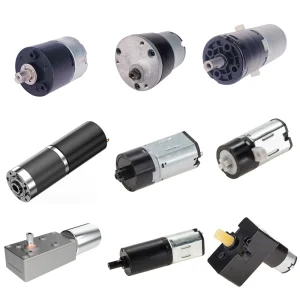
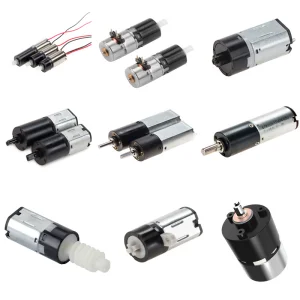
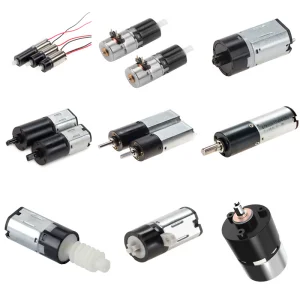
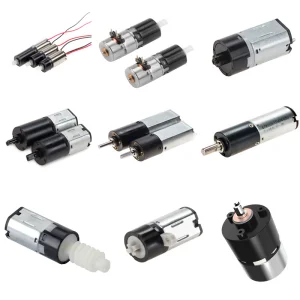
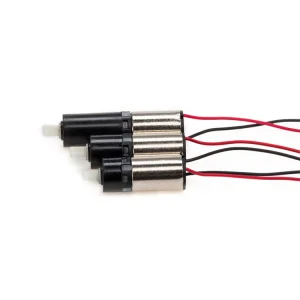
High-torque efficiency configurations designed for smart appliances, medical automation, and robotics
A comprehensive analysis of design metrics, material selection, quality verification, and compliance protocols
In the landscape of modern electro-mechanical engineering, micro gear motors serve as the structural foundation of automated physical actions. The integration of high-density DC motors with micro planetary or spur gearboxes is essential to deliver high torque in constraints with strict spatial parameters. This whitepaper details the engineering specifications, production processes, quality controls, and validation procedures utilized by certified manufacturers to supply the global market with micro gear motors. We examine the critical design variables, material configurations, and quality validation technologies that support global industrial applications.
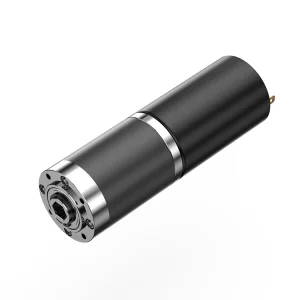
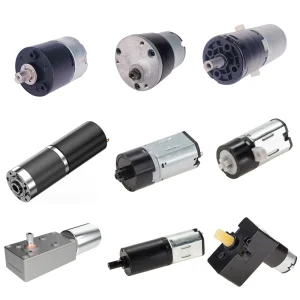
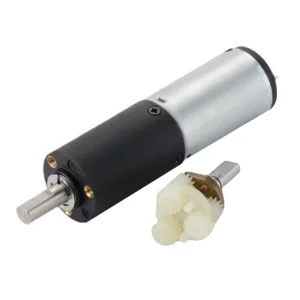
The development of an efficient micro gear motor starts with analyzing its gear topology. Unlike large-scale industrial drives, micro gearboxes operate in dimensions where minor dimensional variations significantly impact torque transmission and operational life. The choice between planetary and spur gear configurations determines the motor's performance envelope.
Planetary Gear Systems: Planetary configurations distribute mechanical stress across multiple contact points (planet gears), allowing for high torque capacity within a compact space. By sharing the load between three or four planet gears, these systems handle high torsional forces without premature tooth failure. This coaxial alignment is critical for applications like electronic door locks and smart curtain mechanisms, where space constraints are severe.
Spur Gear Systems: Spur gear designs are simpler, featuring parallel shafts with straight-cut teeth. They operate with lower friction losses and are suitable for lower-torque, cost-sensitive applications. However, they lack the load-sharing capacity of planetary systems, which limits their suitability for high-inertia start-stop applications.
| Engineering Parametric Metric | Micro Planetary Gearbox | Micro Spur Gearbox |
|---|---|---|
| Torque Density (Nm/cm³) | High (0.8 – 3.5 Nm/cm³) | Low to Moderate (0.1 – 0.5 Nm/cm³) |
| Backlash Range (Degrees) | 1.0° to 3.0° (Precision: < 0.5°) | 2.0° to 5.0° |
| Input-to-Output Alignment | Coaxial / Inline | Offset Parallel |
| Transmission Efficiency (per stage) | ~85% - 90% | ~90% - 95% |
| Typical Noise Level (dB @ 30cm) | < 45 dB (with plastic/nylon hybrid) | < 50 dB |
The drive motor is the primary source of mechanical energy in these systems. Integrating coreless DC motors eliminates the magnetic cogging torque common in iron-core motors. The low inertia of the self-supporting copper winding coil allows for rapid acceleration, deceleration, and high control precision.
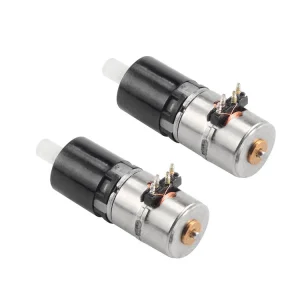
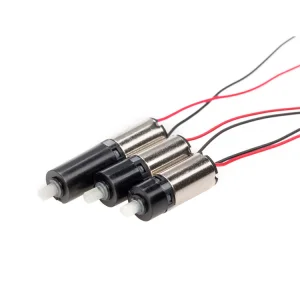
For applications requiring precise angular positioning, such as security cameras or valve actuators, micro stepper motors are integrated directly with mini gearboxes. Utilizing sub-6mm stepper configurations with micro planetary reduction stages ensures high positioning resolution without the need for external feedback sensors.
For international procurement, compliance with international certification standards is a key requirement for product reliability. CE certification is necessary for importing and distributing electronic and mechanical equipment within the European Economic Area (EEA), serving as a benchmark for product safety.
CE certification of micro gear motors involves verifying compliance with several directives:
CE-compliant engineering requires strict selection of flame-retardant polymers (such as UL 94 V-0 rated POM or Nylon) for gearboxes, along with specialized seal profiles to prevent dust and moisture ingress, conforming to IP54 to IP67 standards.
Dongguan Divistechs Technology Co., Ltd. - Quality Management from Prototype to Mass Production
Looking for a trustworthy, direct-from-source manufacturer in China to optimize your machine’s efficiency? Dongguan Divistechs Technology Co., Ltd. is your premier destination. Operating from Dongguan, we manage the entire production lifecycle under strict ISO quality control, eliminating the middlemen to deliver high-torque, long-lifespan drive systems directly to your warehouse.
Whether your application is in packaging, laser cutting, medical equipment, or automated assembly lines, we deliver the precision you need with the competitive factory pricing you deserve.
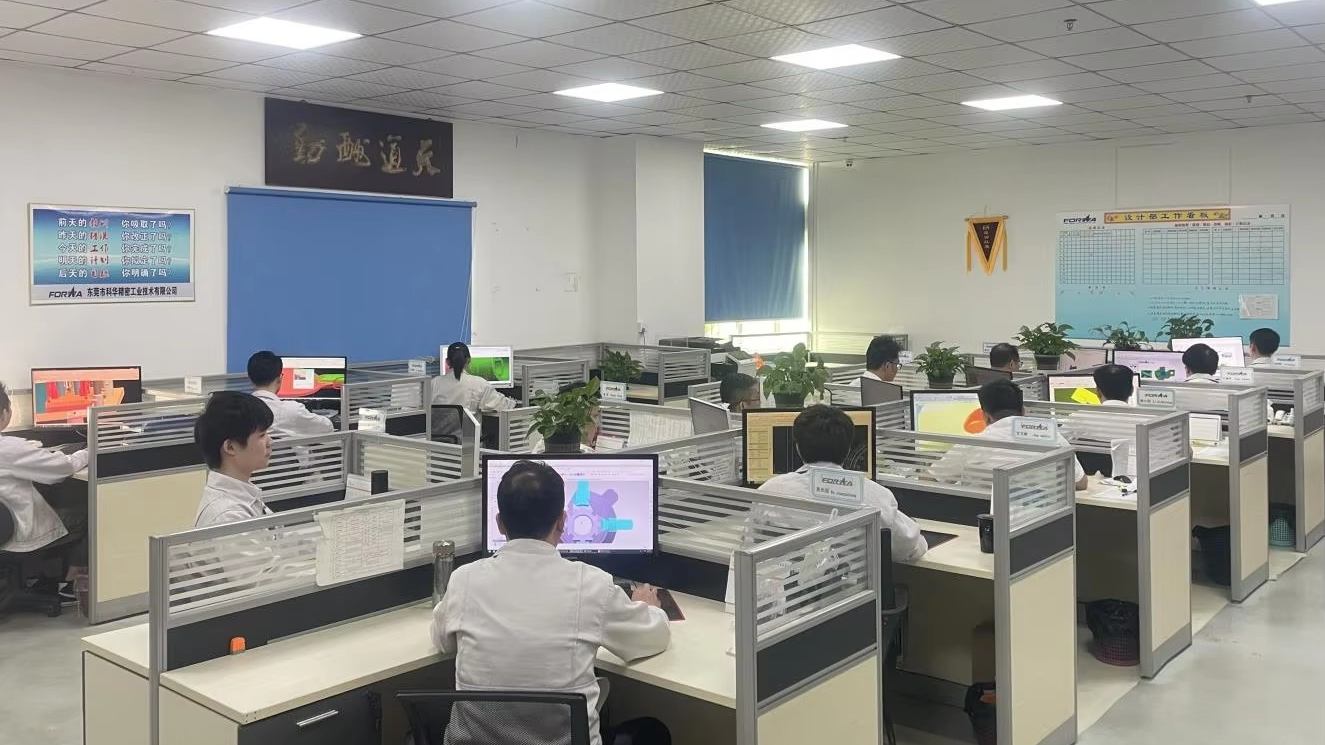
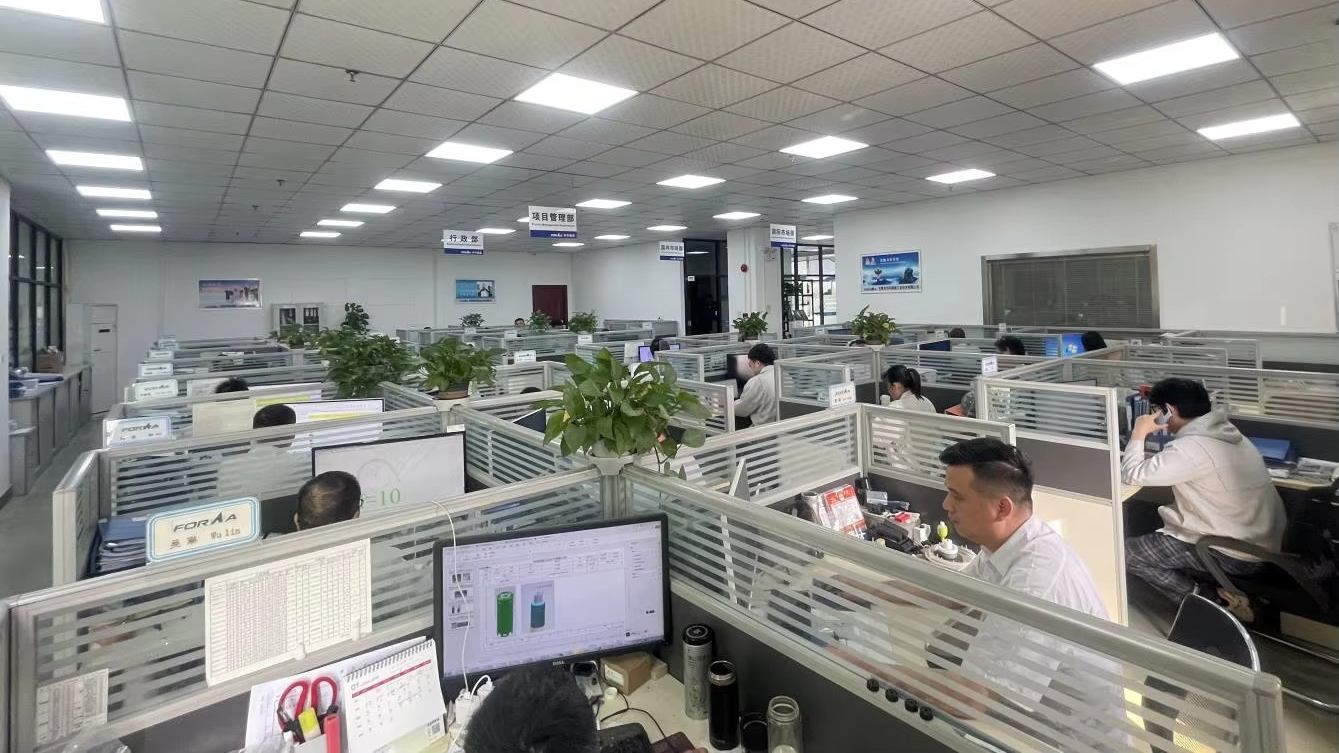
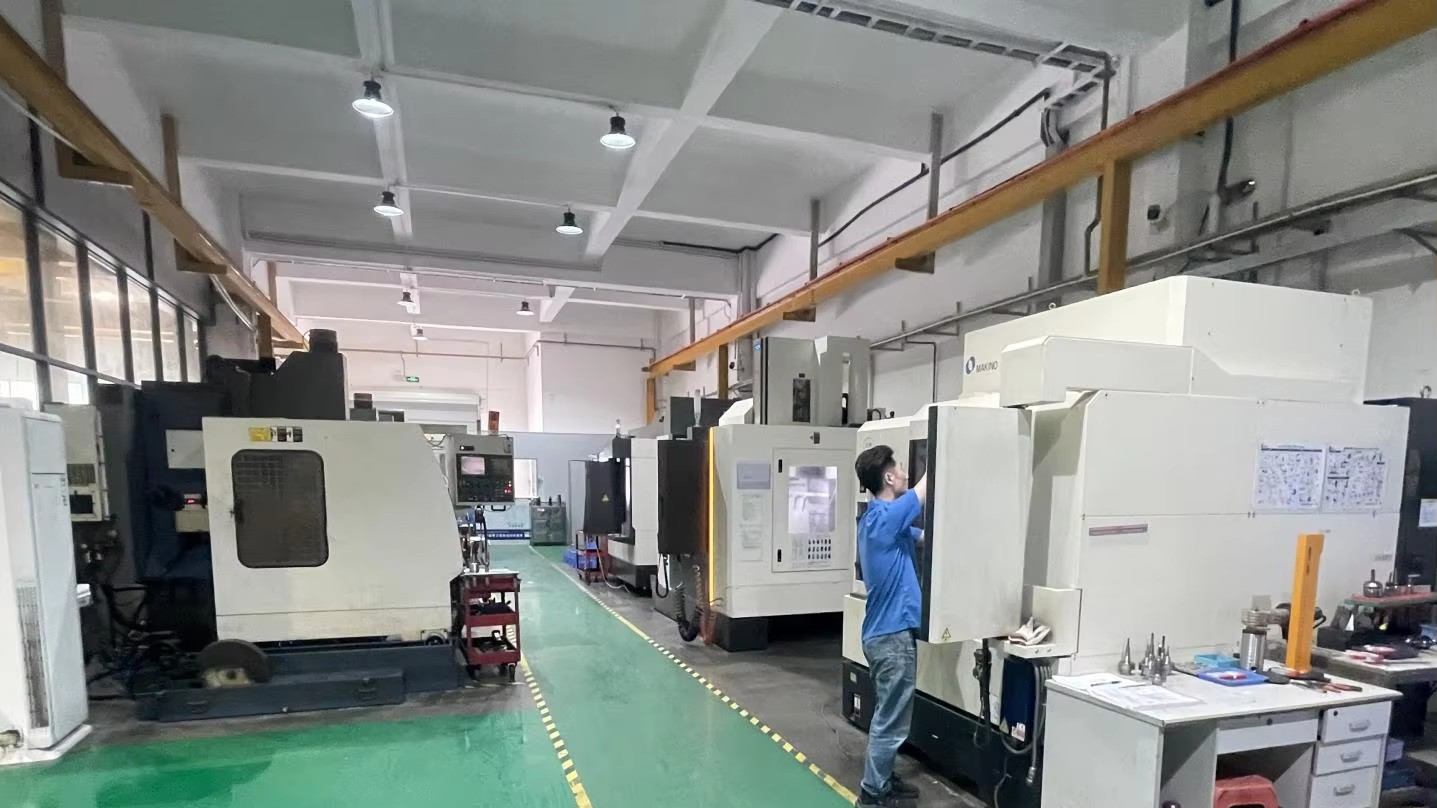
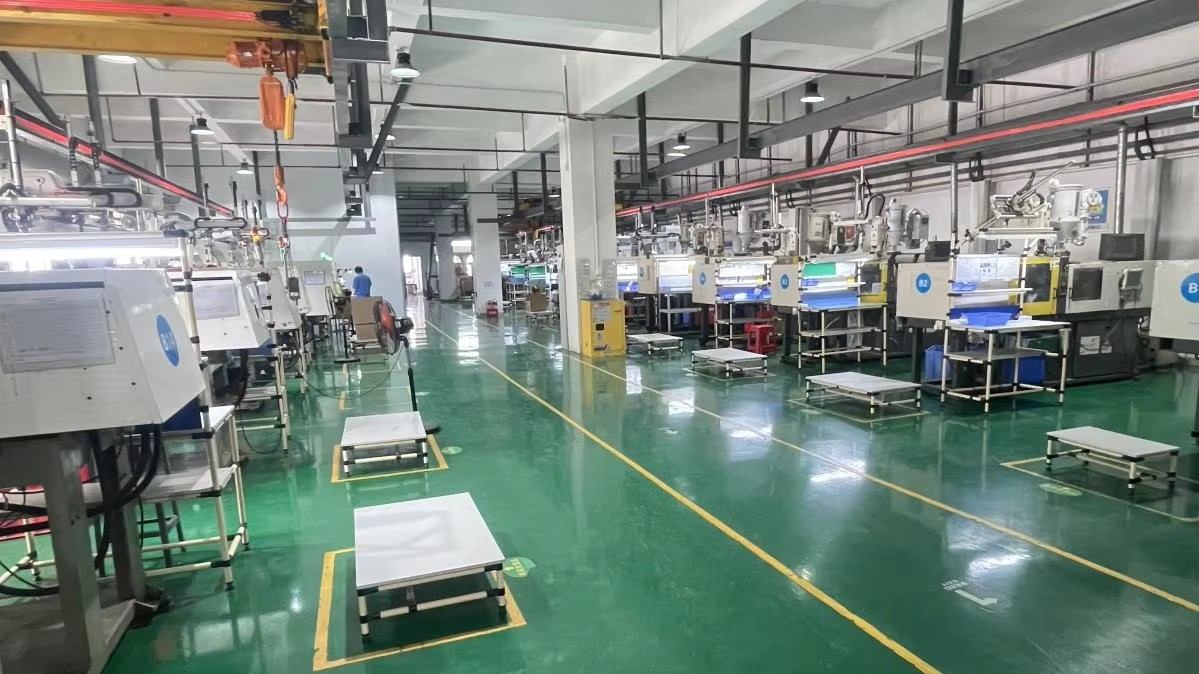
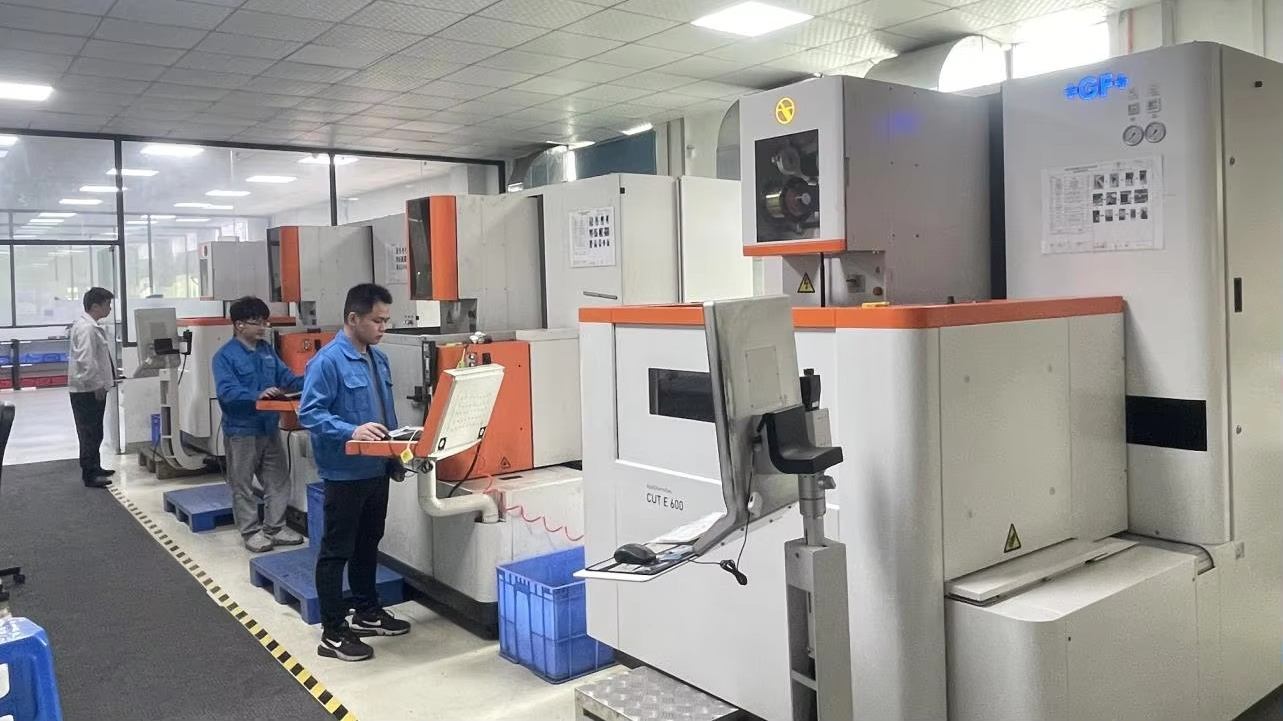
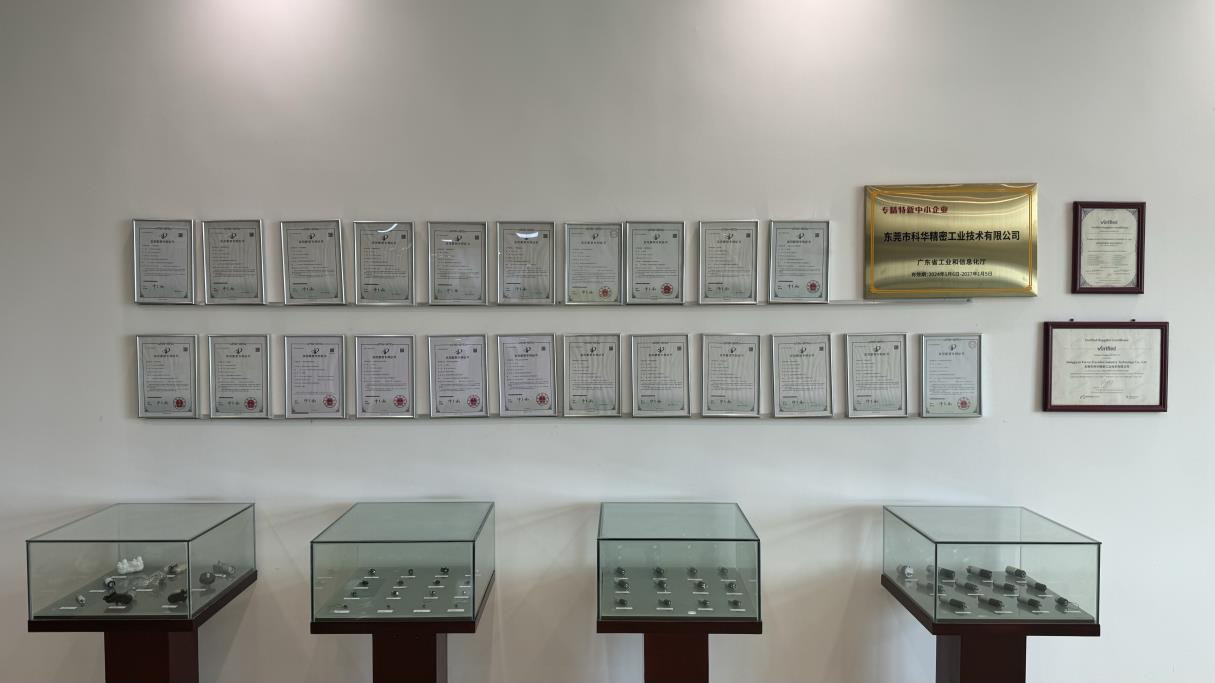
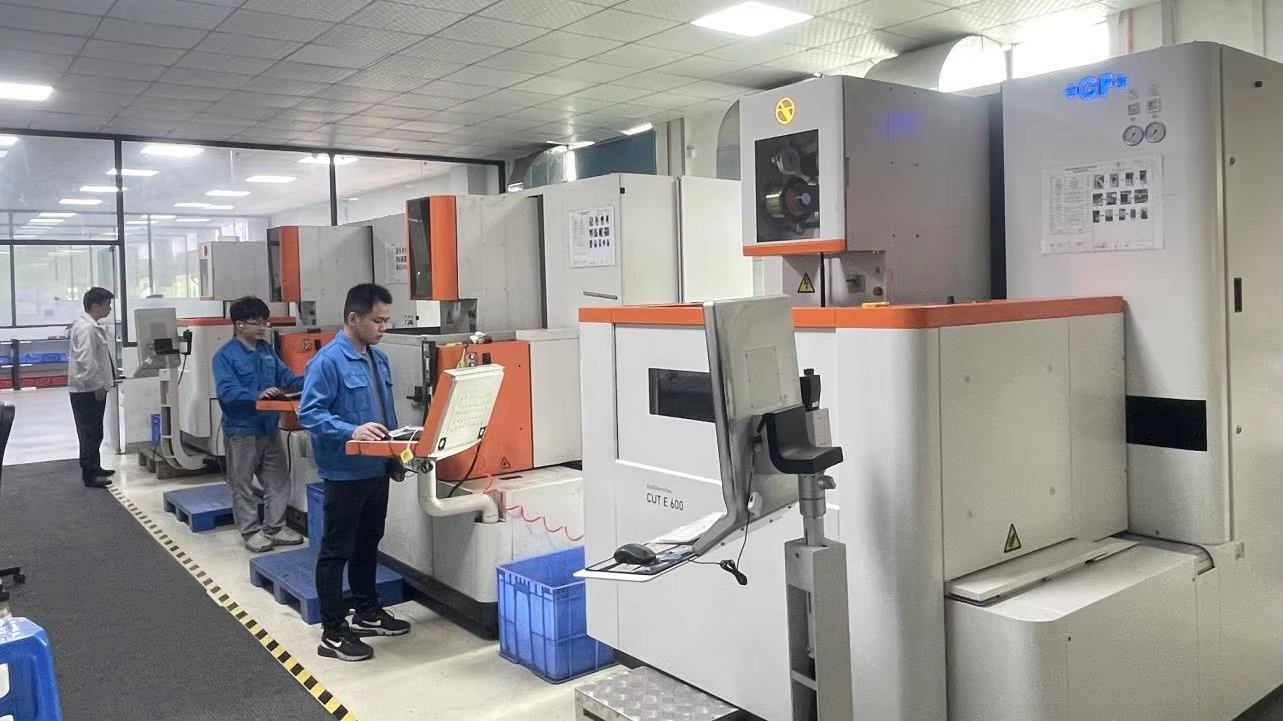
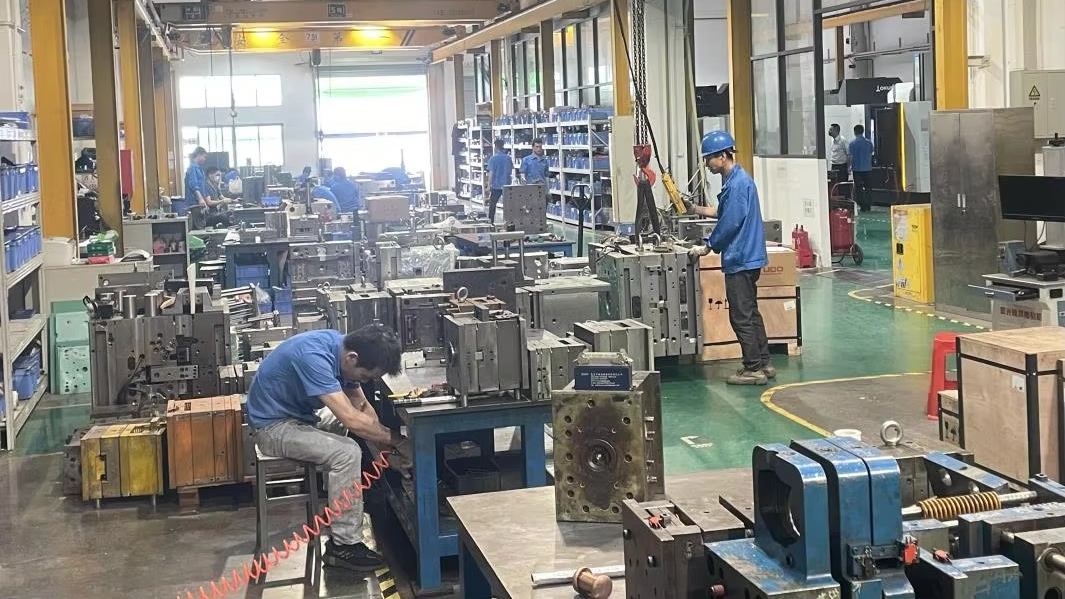
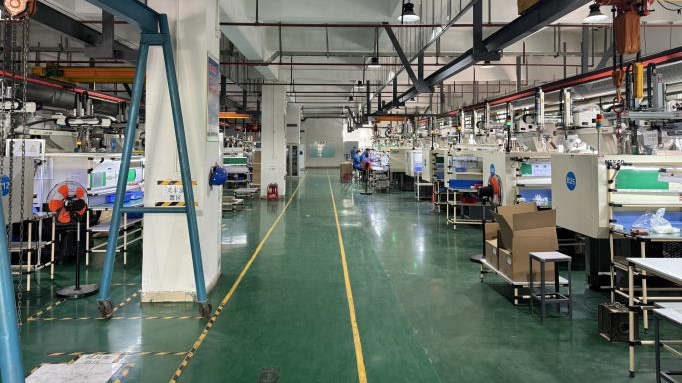
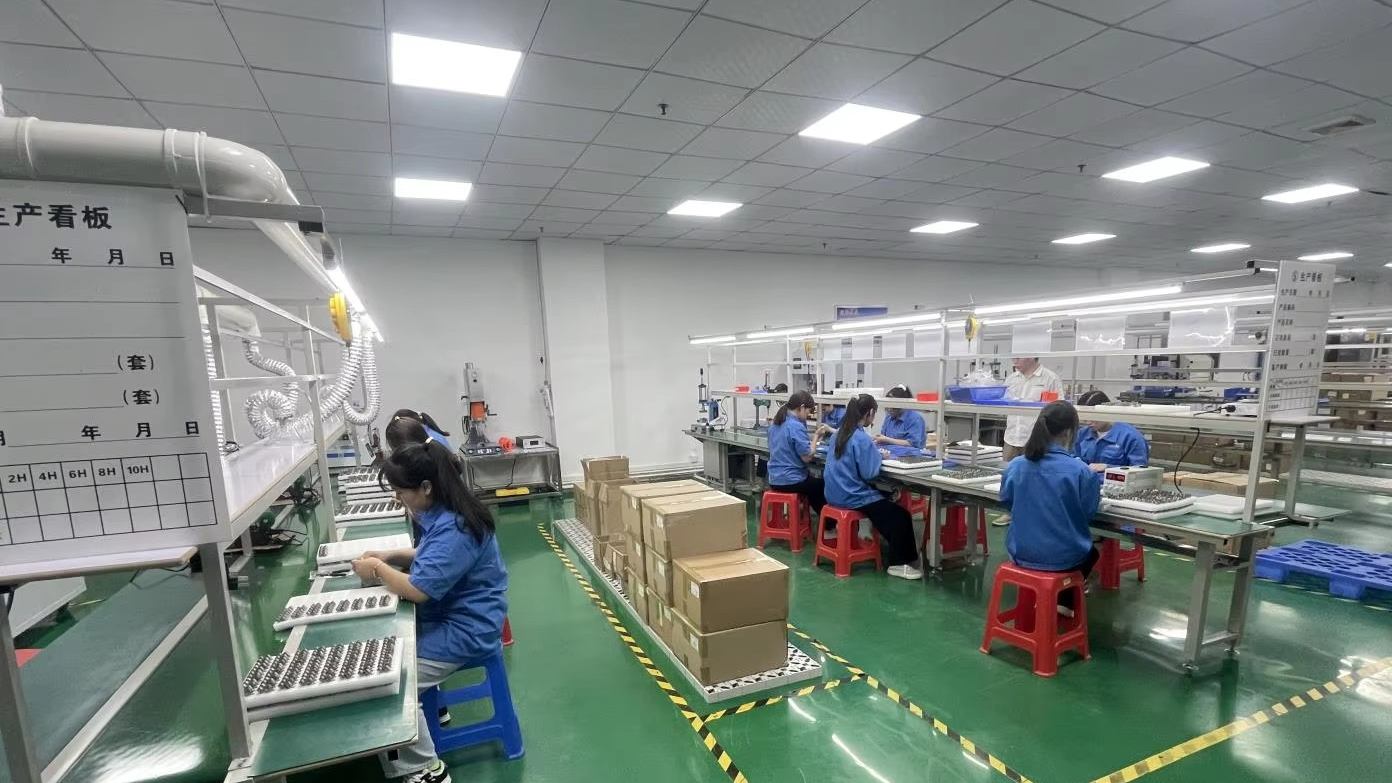
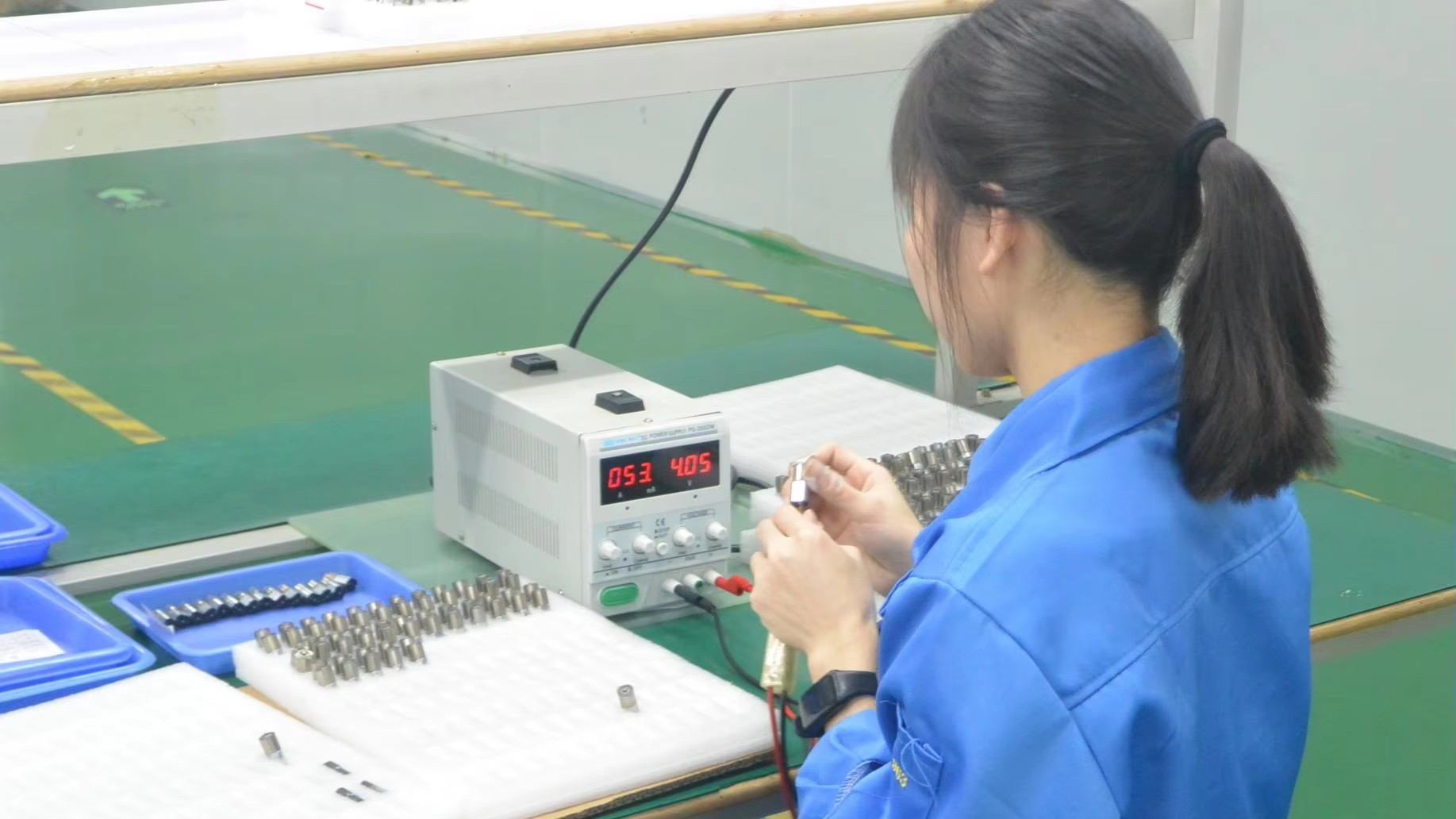
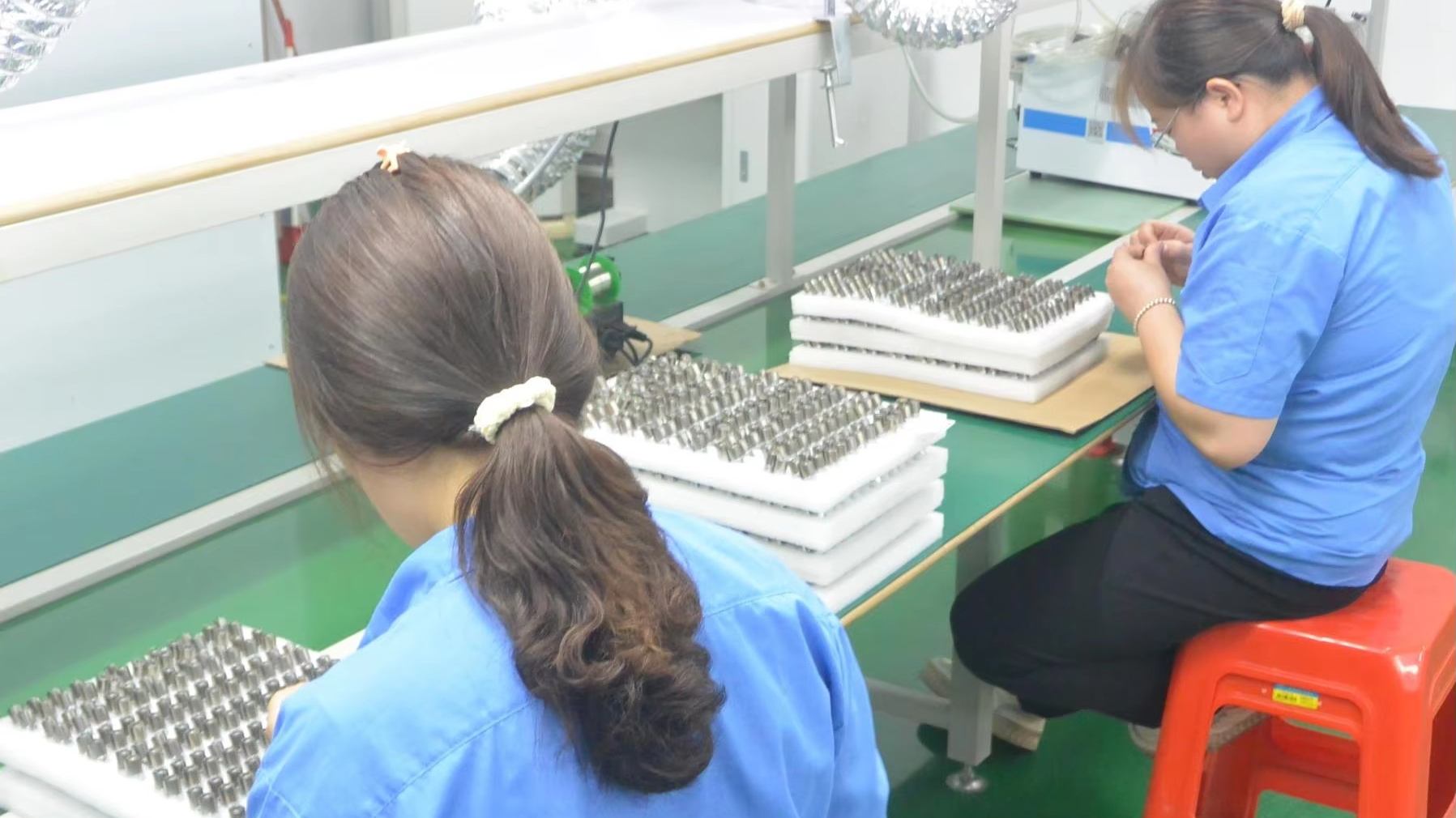
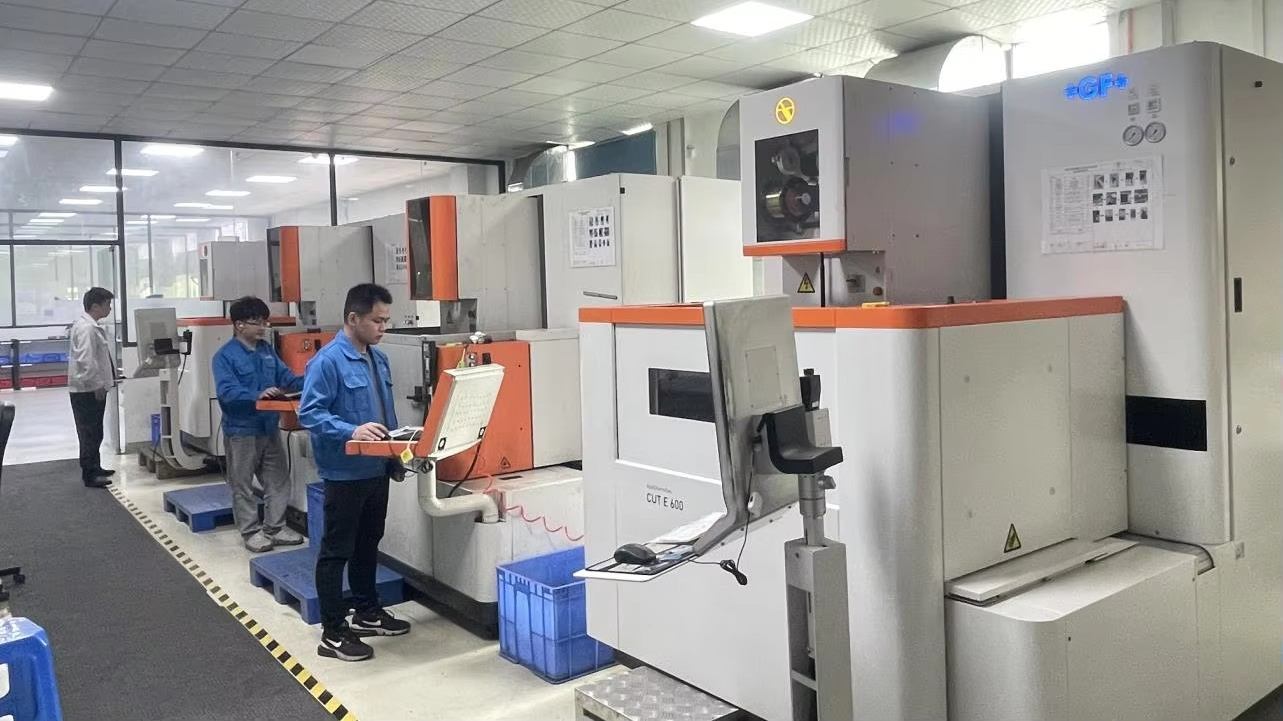
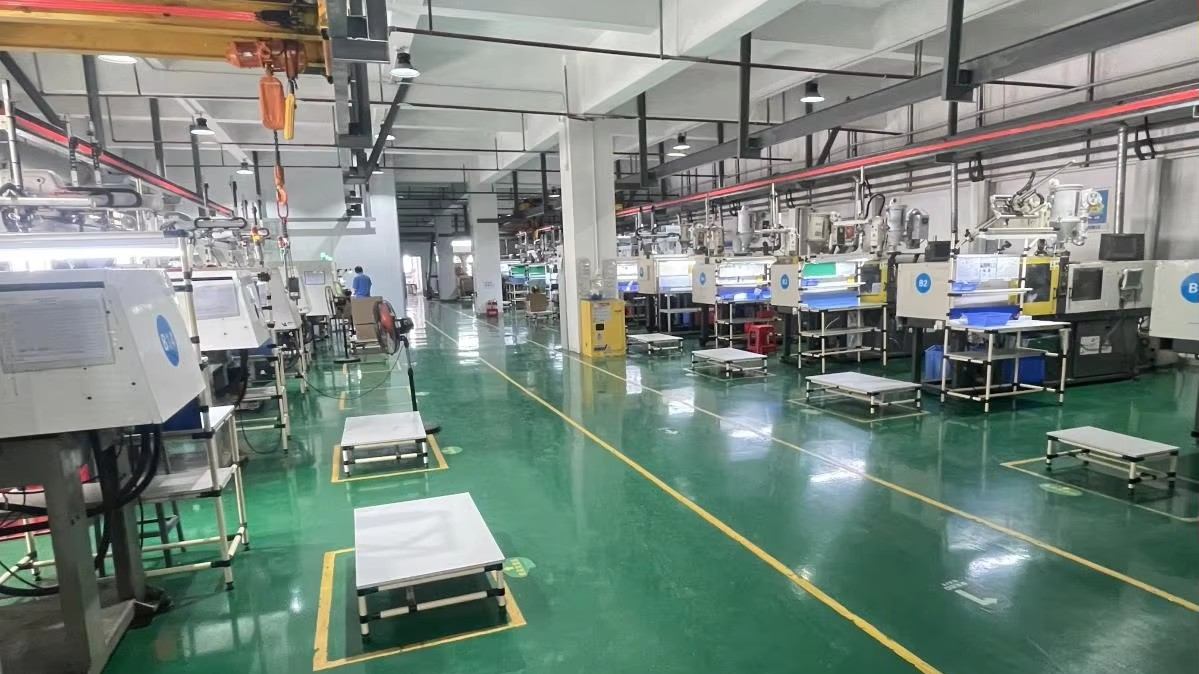
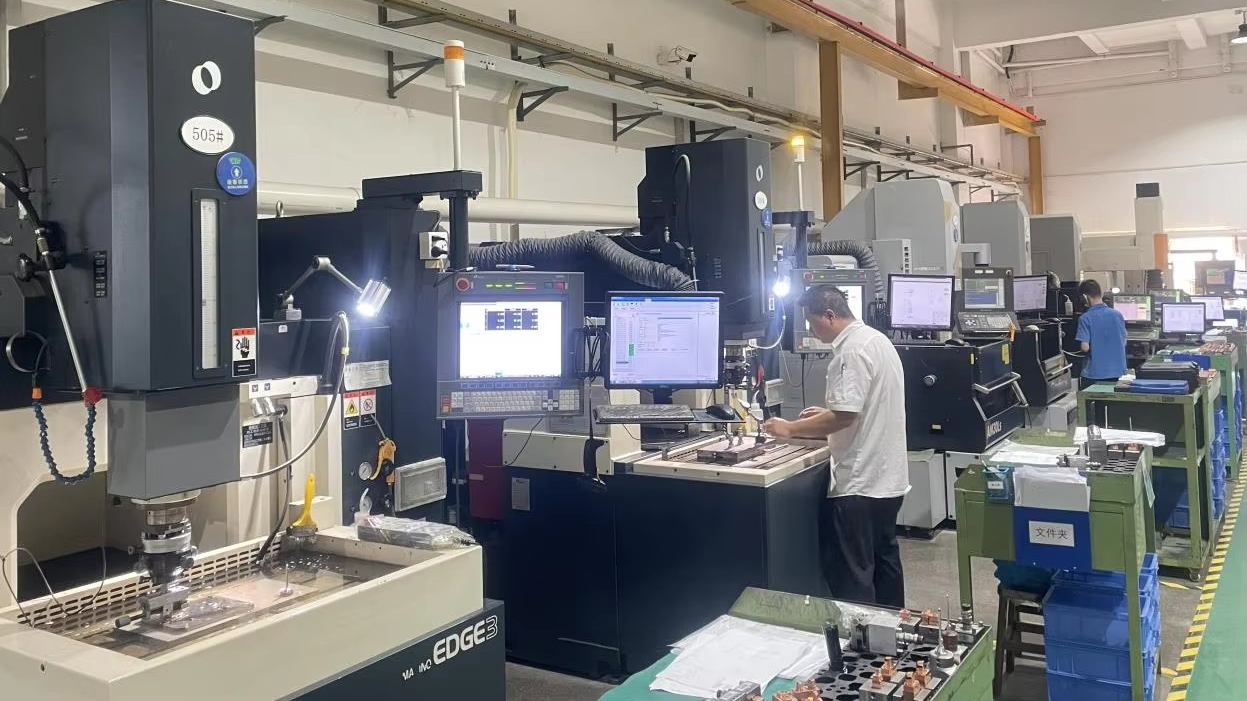
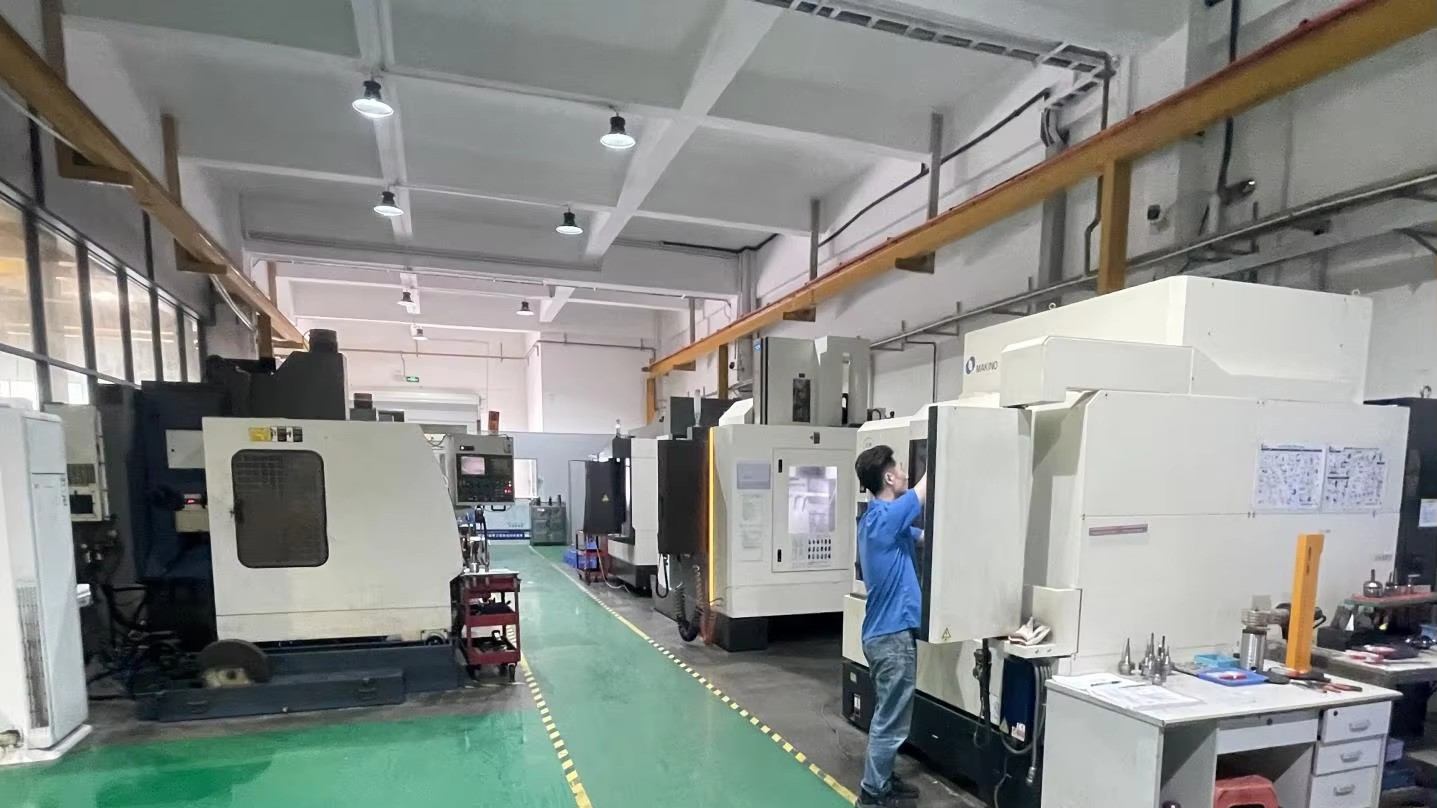
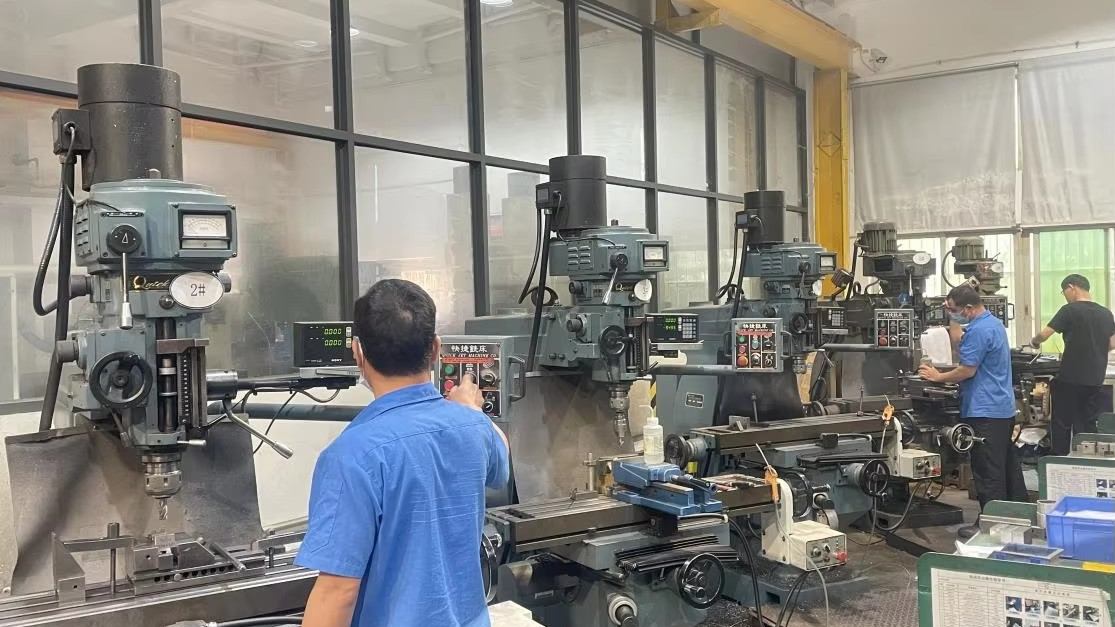
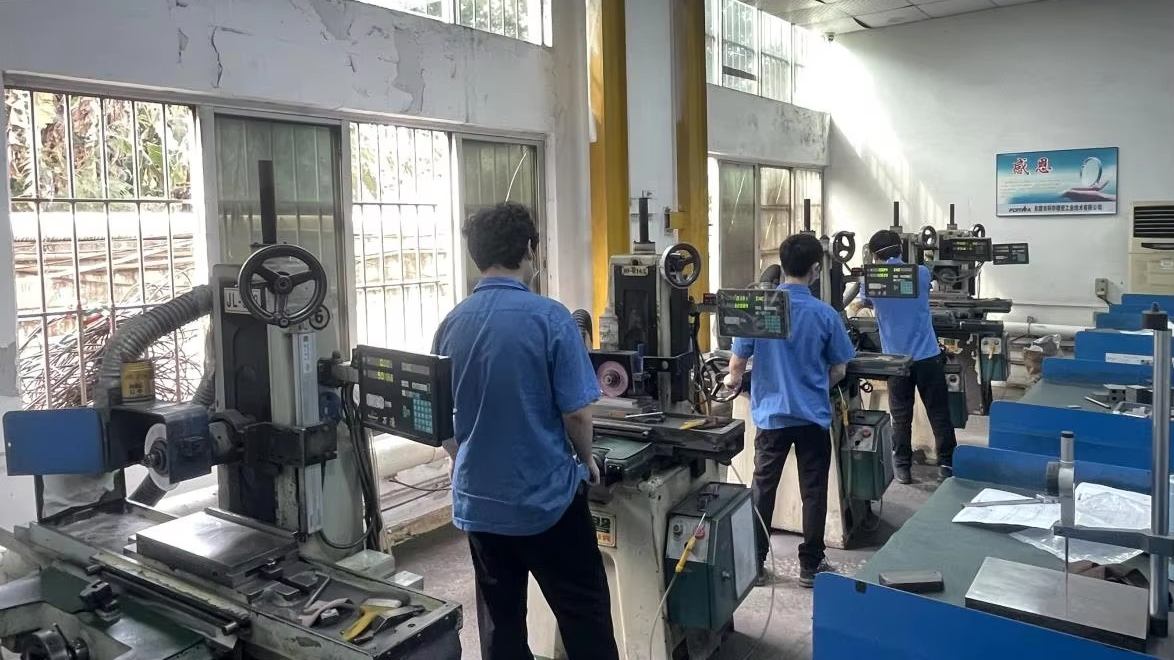
Manufacturing micro gearboxes requires precise dimensional control. Plastic gears and metal pinion shafts are processed using advanced machining technologies to maintain tolerances within the micrometer range.
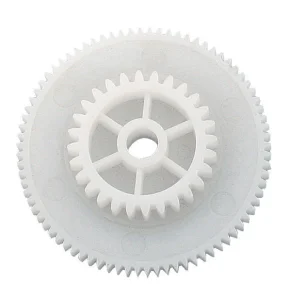
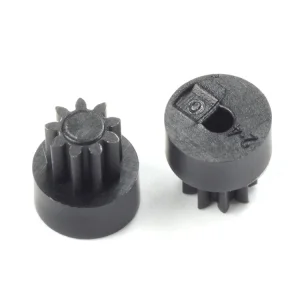
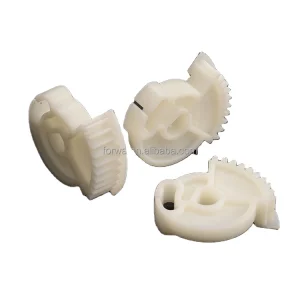
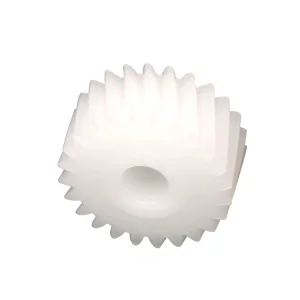
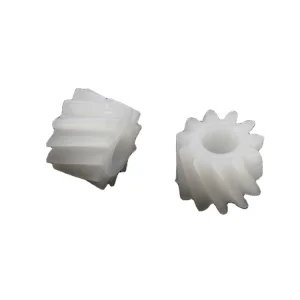
Die Parts Processing & Mold Making: High-precision injection molds are the starting point for plastic gears. Mold cavity geometries must account for the volumetric shrinkage of specific polymers like Polyoxymethylene (POM) or Nylon. Using sub-micron EDM (Electrical Discharge Machining) and high-speed CNC milling ensures the final molded gears match the required profiles.
Slow Wire Cut Electrical Discharge Machining (EDM): For metal gear components and mold inserts, slow-wire EDM provides the precision needed for complex tooth profiles. Running at lower feed rates with tension-controlled wire electrodes, this method achieves surface roughness values below Ra 0.2 μm and dimensional tolerances within ±2 μm.
Precision Plastic Injection Molding: Our molding machines operate with precise control over injection pressure, temperature profiles, and cooling rates. This prevents common molding issues like voids, knit lines, or gate blemishes, ensuring uniform density and consistent tooth profile accuracy.
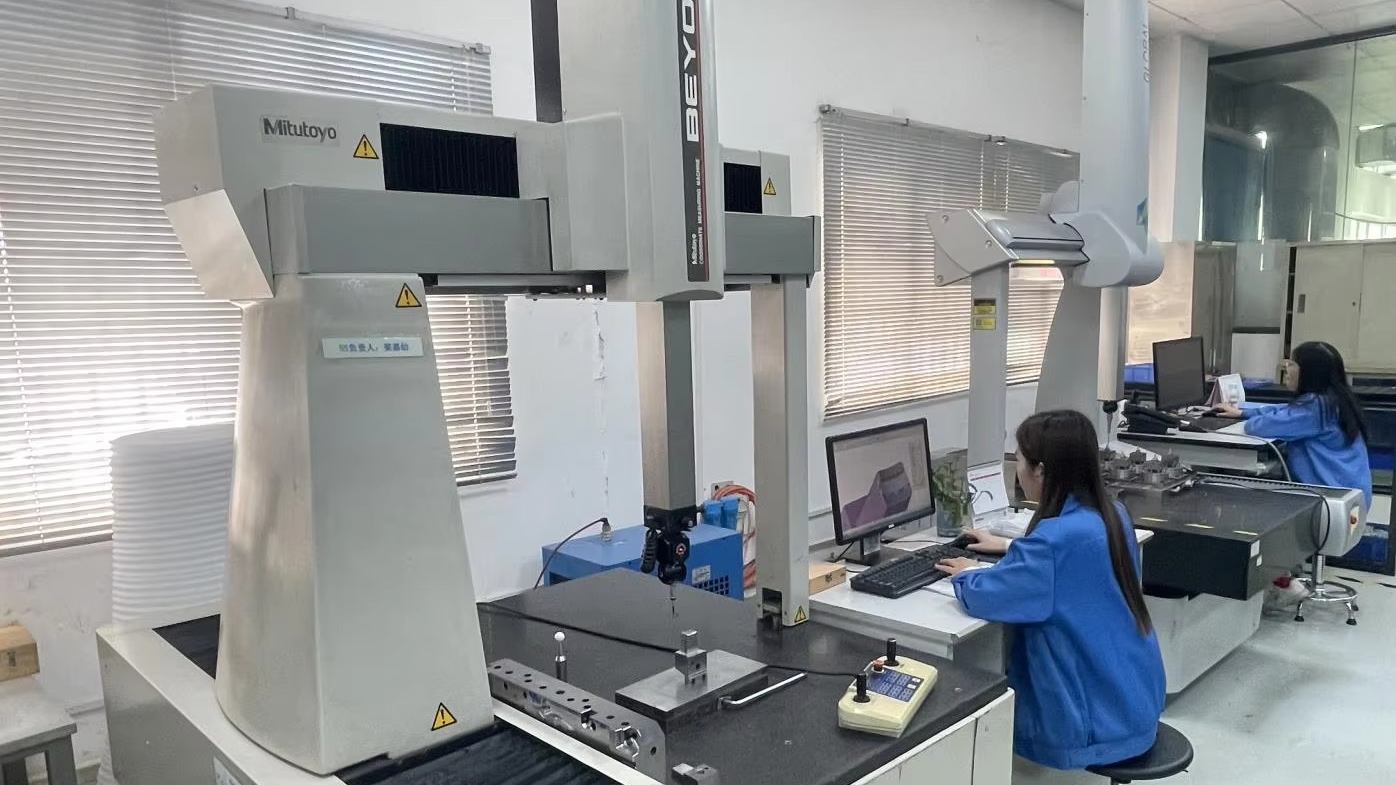
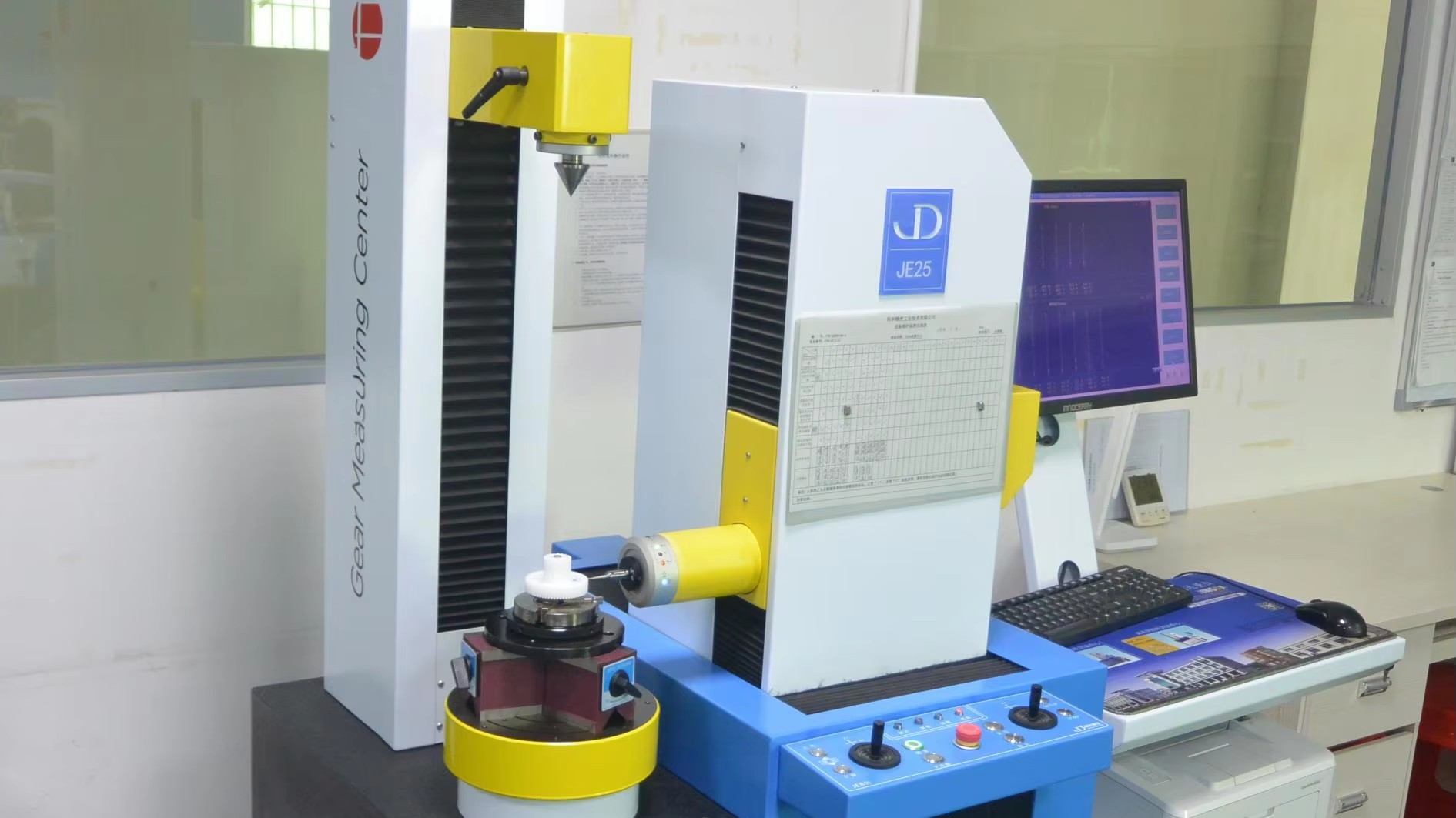
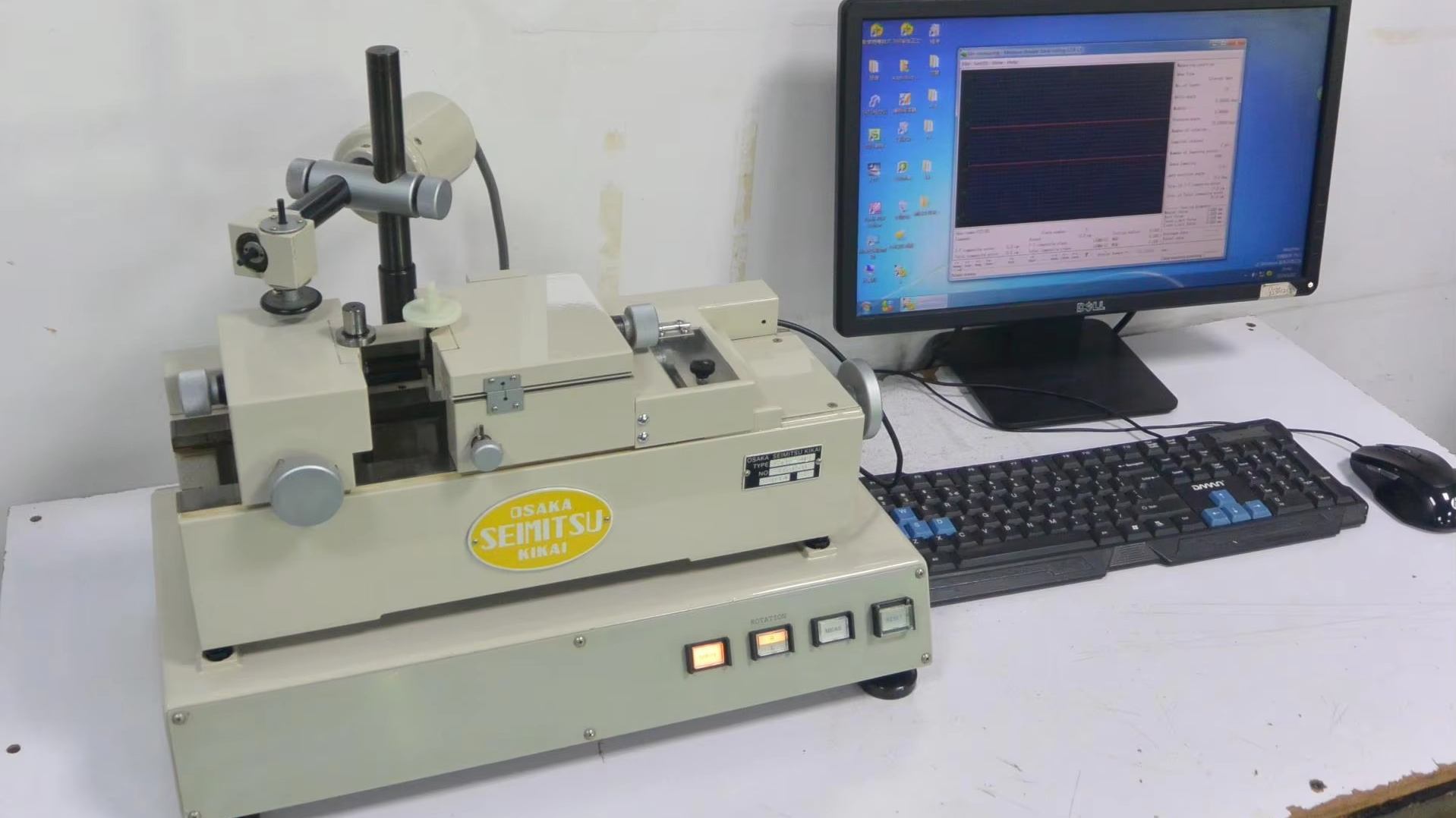
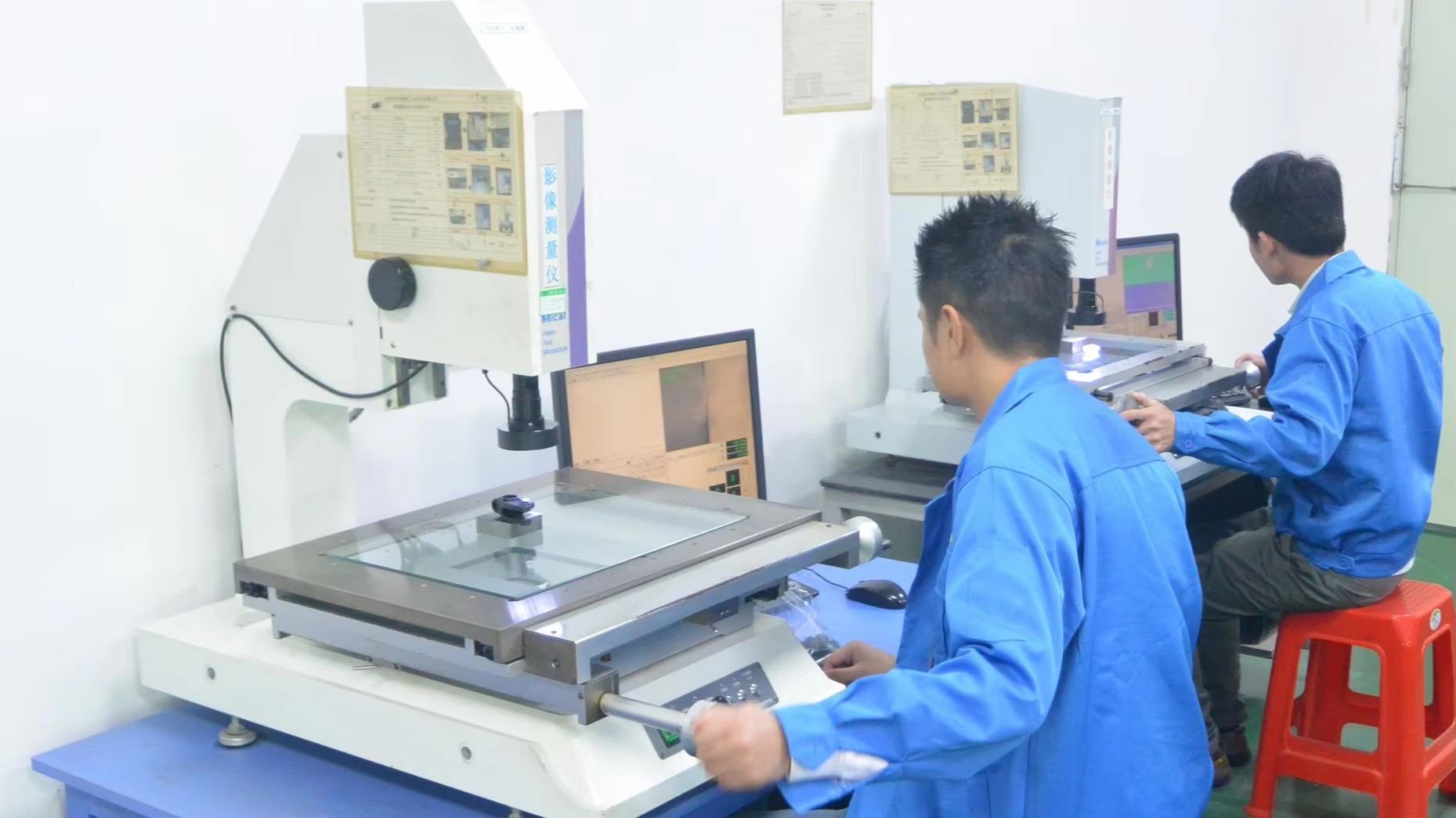
To verify that every production lot meets the design specifications and CE compliance requirements, we utilize a range of specialized measurement and inspection systems:
Industrial buyers and OEMs require manufacturing partners that can provide reliable technical customization and consistent supply chains. Standard catalog configurations often fall short of meeting the complex requirements of custom applications.
Technical OEM/ODM Customization: Divistechs' engineering team customizes gear motor characteristics to fit specific application requirements. Custom options include input voltage adjustments (from 1.5V to 24V DC), specific gearbox output ratio configurations (using multi-stage planetary stacks), and shaft modifications (such as D-cuts, keyways, splines, or threaded features).
Material Customization Options: Depending on the application requirements, gearboxes can be configured with POM for low noise and self-lubrication, glass-filled Nylon for higher load capacity, or powder-sintered metals and cut steel gears for maximum torque transmission and shock load resistance.
Exporting globally requires packaging that protects sensitive micro gear motors from mechanical shocks and humidity during transport. Products are packed in custom anti-static thermoformed trays and sealed in moisture-barrier bags before being boxed. We work with major ocean freight, air cargo, and express shipping networks to ensure efficient distribution from our Dongguan facility directly to assembly lines worldwide.
The micro gear motor industry is evolving toward higher torque densities, integrated intelligence, and improved efficiency. Key trends shaping the future of micro drive systems include:
1. Drive Miniaturization: Space-constrained applications, such as medical implants and wearables, are driving demand for smaller gear motor form factors. Planetary gear motors are now manufactured in diameters down to 6mm, providing reliable torque reduction at miniature scale.
2. Smart Integrated Actuation: Modern systems require integrated sensor feedback. Modern micro motors are designed to incorporate magnetic or optical encoders directly onto the rear motor shaft. This allows for real-time tracking of rotational position, velocity, and torque, converting standard gear motors into precise smart actuators.
3. Hybrid Polymer-Metal Geartrains: Combining polymer gears (for quiet operation) with metal gears (for high-torque output stages) allows manufacturers to optimize noise levels and torque capacity within a single gearbox.
What are the advantages of using POM or Nylon gears instead of metal in micro gearboxes?
POM (Polyoxymethylene) and Nylon offer self-lubricating properties, lower friction coefficients, and quiet operation, making them suitable for consumer electronics, medical pumps, and smart locks. For applications with higher torque requirements or shock loads, we recommend using a hybrid design that combines plastic input stages with metal output stages.
How does CE certification impact the import process for global buyers?
CE certification indicates that the micro gear motor complies with European safety, health, and environmental standards. It simplifies customs clearance within the EEA and assures B2B buyers that the product meets requirements for electromagnetic compatibility (EMC) and hazardous substance limits (RoHS).
What parameters are needed to request a custom micro gear motor design?
We require the following specifications: nominal operating voltage (e.g., 3V, 6V, 12V, 24V), target output speed (RPM), continuous and peak torque requirements (mNm or kg.cm), maximum dimensional envelope (diameter and length constraints), shaft configuration, and expected duty cycle/ambient conditions.
What is backlash, and how is it controlled in micro planetary gearboxes?
Backlash is the play or clearance between mating gear teeth when movement is reversed. It is controlled by maintaining tight tolerances on gear profiles, using precise injection molds for polymer gears, and selecting appropriate shaft spacing in the housing. High-precision gearboxes can achieve backlash levels under 0.5 degrees.
Why are coreless DC motors preferred in micro-actuation systems?
Coreless motors use a rotor structure without an iron core, which eliminates magnetic cogging. This results in smooth rotation, high acceleration capability, minimal rotor inertia, and efficient operation, which is ideal for battery-powered devices.
What quality checks are performed on gear motors before shipment?
Each batch undergoes dimensional verification using coordinate measuring machines (CMM) and optical systems, gear profile analysis on our JE25 center, and functional testing to verify speed, current draw, noise levels, and starting voltage.
Can these micro planetary gear motors operate in low-temperature environments?
Yes. By selecting low-temperature lubricants and polymers with suitable thermal performance characteristics, we can customize micro gear motors to operate in temperatures ranging from -30°C to +80°C.
What typical lead times are expected for OEM custom prototypes?
Prototype samples with standard gear ratios and custom shafts are typically completed within 2 to 3 weeks. Full custom designs requiring new injection mold tooling generally require 4 to 6 weeks for tooling and sample qualification.
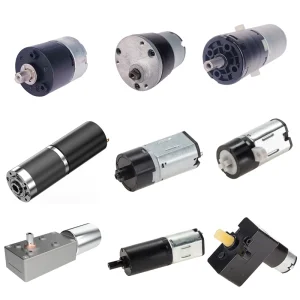
Industrial configurations designed for lawn mowers, smart barriers, robot joints, and massage chairs
 Divistechs Gear Motor